In the modern era of technology and sustainability, energy efficiency has become a paramount concern for businesses and industries. Among the various elements that contribute to a building’s energy consumption, the type of flooring used can have a significant impact. As a supplier of anti-static raised floors, I’ve witnessed firsthand how these specialized floors can play a crucial role in enhancing energy efficiency. In this blog, I’ll delve into the ways in which anti-static raised floors can influence energy consumption and why they are a smart choice for energy-conscious organizations. Anti Static Raised Floor
Understanding Anti – Static Raised Floors
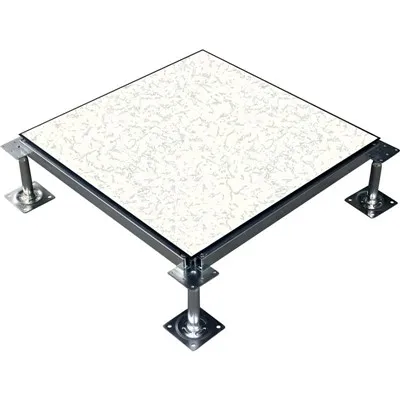
Before we explore the energy – efficiency aspects, it’s important to understand what anti – static raised floors are. Anti – static raised floors are elevated flooring systems that are designed to prevent the build – up of static electricity. They consist of modular panels that are supported by a framework of pedestals, creating a void space beneath the floor. This void space can be used for various purposes, such as housing electrical wiring, data cables, and HVAC (heating, ventilation, and air – conditioning) ductwork.
Improved Airflow and HVAC Efficiency
One of the primary ways anti – static raised floors impact energy efficiency is through their effect on airflow. The void space beneath the raised floor allows for better management of air distribution. In a traditional floor system, air is often forced to flow through narrow channels or vents, which can lead to uneven distribution and increased energy consumption.
With an anti – static raised floor, the open plenum created by the pedestals and panels provides a large, unobstructed space for air to circulate. This allows HVAC systems to operate more efficiently. The air can be delivered directly to the areas where it is needed, reducing the need for over – pressurization and minimizing energy waste. For example, in a data center, where precise temperature and humidity control are essential, anti – static raised floors can ensure that cool air is evenly distributed to the servers, preventing hot spots and reducing the workload on the cooling system.
Reduced Lighting Energy Consumption
Anti – static raised floors can also contribute to energy savings in lighting. The smooth surface of the floor panels can reflect light, which helps to distribute illumination more evenly throughout the space. This means that fewer light fixtures may be required to achieve the same level of brightness.
In addition, the void space beneath the raised floor can be used to house lighting control systems. These systems can be designed to adjust the lighting levels based on the amount of natural light available or the occupancy of the space. For instance, in an office environment, sensors can detect when a room is empty and automatically dim or turn off the lights, reducing energy consumption.
Thermal Insulation
Another benefit of anti – static raised floors is their potential for thermal insulation. The materials used in the construction of the floor panels can provide a certain degree of thermal resistance. This helps to reduce heat transfer between the floor and the space below, which can be particularly beneficial in buildings with large open areas or in regions with extreme temperatures.
By minimizing heat loss or gain through the floor, the building’s HVAC system doesn’t have to work as hard to maintain a comfortable temperature. This leads to significant energy savings over time. For example, in a cold climate, the thermal insulation properties of the anti – static raised floor can help to keep the interior warm, reducing the need for excessive heating.
Adaptability and Future – Proofing
Anti – static raised floors offer a high degree of adaptability, which can also contribute to energy efficiency. As technology and business needs change, the layout of a building may need to be modified. With a raised floor system, it is relatively easy to reconfigure the space, add or remove partitions, and relocate equipment.
This adaptability means that buildings can be optimized for energy efficiency over time. For example, if a company expands its operations and needs to add more servers to a data center, the raised floor can accommodate the additional cabling and cooling requirements without major disruptions. This reduces the need for costly and energy – intensive renovations.
Case Studies
To illustrate the impact of anti – static raised floors on energy efficiency, let’s look at a few case studies.
Case Study 1: A Large Office Building
A large office building in a major city installed anti – static raised floors as part of a renovation project. Before the installation, the building’s HVAC system was struggling to maintain a consistent temperature, and energy costs were high. After the installation of the raised floors, the air distribution improved significantly. The HVAC system was able to operate more efficiently, resulting in a 15% reduction in energy consumption for heating and cooling.
Case Study 2: A Data Center
A data center was experiencing hot spots and high energy consumption due to inefficient air distribution. By installing anti – static raised floors, the data center was able to achieve better airflow management. The cool air was evenly distributed to the servers, reducing the need for additional cooling equipment. As a result, the energy consumption of the data center’s cooling system decreased by 20%.
Cost – Benefit Analysis
When considering the installation of anti – static raised floors, it’s important to conduct a cost – benefit analysis. While the initial investment in anti – static raised floors may be higher than traditional flooring options, the long – term energy savings can offset this cost.
The energy savings from improved HVAC efficiency, reduced lighting consumption, and better thermal insulation can result in significant cost savings over the life of the building. In addition, the adaptability of the raised floor system can save money on future renovations and equipment upgrades.
Conclusion

In conclusion, anti – static raised floors have a significant impact on energy efficiency. Through improved airflow, reduced lighting energy consumption, thermal insulation, and adaptability, these floors can help businesses and industries reduce their energy consumption and operating costs.
Raised Floor Panels As a supplier of anti – static raised floors, I encourage organizations to consider the benefits of these floors when planning new construction or renovation projects. If you’re interested in learning more about how anti – static raised floors can improve the energy efficiency of your building, I’d be happy to discuss your specific needs and provide a customized solution. Contact me to start a conversation about how we can work together to make your building more energy – efficient.
References
- ASHRAE Handbook – HVAC Systems and Equipment. American Society of Heating, Refrigerating and Air – Conditioning Engineers.
- Building Energy Efficiency Standards. Various state and local regulatory bodies.
- Research studies on the impact of raised floor systems on energy consumption in commercial buildings.
Fineco Tech Co., Ltd.
As one of the most professional anti static raised floor manufacturers and suppliers in China, we’re featured by quality products and good service. Welcome to wholesale customized anti static raised floor made in China here from our factory. If you have any enquiry about cooperation, please feel free to email us.
Address: Wuyue Square, Wujin District, Changzhou, Jiangsu, China
E-mail: info@finecotech.com
WebSite: https://www.finecoglobal.com/
