In the dynamic and ever – evolving shipbuilding industry, the efficient and optimized use of CCS shipbuilding steel plates is of paramount importance. As a dedicated supplier of CCS shipbuilding steel plates, I have witnessed firsthand the challenges and opportunities that shipbuilders face when working with these essential materials. In this blog, I will share some valuable insights and strategies on how to optimize the use of CCS shipbuilding steel plates in shipbuilding. CCS Shipbuilding Steel Plate
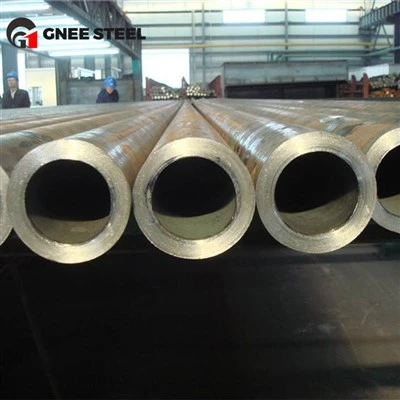
Understanding CCS Shipbuilding Steel Plates
Before delving into optimization strategies, it is crucial to have a clear understanding of CCS shipbuilding steel plates. CCS, or the China Classification Society, sets strict standards for shipbuilding materials, including steel plates. These steel plates are designed to meet the rigorous requirements of ship construction, such as high strength, good ductility, and excellent corrosion resistance.
The quality of CCS shipbuilding steel plates is ensured through a series of strict testing and inspection processes. They are typically made from high – quality steel alloys and are available in various grades and thicknesses to suit different shipbuilding applications. For example, some ships may require thicker and stronger steel plates for the hull structure, while others may need thinner plates for internal partitions.
Material Planning and Design
One of the first steps in optimizing the use of CCS shipbuilding steel plates is effective material planning and design. Shipbuilders should work closely with naval architects and engineers during the design phase to determine the exact amount and type of steel plates required for the project. This involves accurate calculations of the ship’s structure, taking into account factors such as the ship’s size, shape, and intended use.
By using advanced computer – aided design (CAD) and simulation software, shipbuilders can create detailed 3D models of the ship. These models can be used to analyze the stress distribution on the steel plates and identify areas where the use of steel can be optimized. For instance, in areas where the stress is relatively low, thinner steel plates can be used without compromising the ship’s structural integrity. This not only reduces the weight of the ship but also saves on material costs.
Another aspect of material planning is to minimize waste during the cutting and fabrication process. Shipbuilders should use nesting software to arrange the steel plate cutting patterns in the most efficient way. This software can calculate the optimal layout of parts on the steel plates, reducing the amount of scrap material. For example, by nesting smaller parts in the spaces between larger parts, the utilization rate of the steel plates can be significantly improved.
Quality Control and Inspection
Maintaining high – quality standards is essential when using CCS shipbuilding steel plates. As a supplier, we ensure that our steel plates meet all the relevant CCS standards. However, shipbuilders also need to implement their own quality control and inspection procedures.
Upon receiving the steel plates, shipbuilders should conduct a thorough inspection to check for any surface defects, such as cracks, scratches, or unevenness. Non – destructive testing (NDT) methods, such as ultrasonic testing, magnetic particle testing, and radiographic testing, can be used to detect internal defects in the steel plates. Any defective plates should be immediately returned to the supplier for replacement.
During the fabrication process, quality control should be continuously monitored. Welding is a critical process in shipbuilding, and the quality of the welds can significantly affect the performance of the steel plates. Shipbuilders should ensure that welders are properly trained and certified. Welds should be inspected using NDT methods to ensure that they meet the required standards.
Storage and Handling
Proper storage and handling of CCS shipbuilding steel plates are also crucial for their optimal use. Steel plates should be stored in a dry and well – ventilated area to prevent corrosion. They should be stacked on pallets or supports to avoid direct contact with the ground.
When handling the steel plates, care should be taken to prevent damage. Forklifts and cranes should be used with appropriate attachments to lift and move the plates safely. Sharp objects should be avoided to prevent scratches on the surface of the plates. Additionally, the plates should be protected from environmental factors, such as rain and snow, during transportation.
Recycling and Reuse
In today’s environmentally conscious world, recycling and reuse of CCS shipbuilding steel plates are becoming increasingly important. At the end of a ship’s life cycle, the steel plates can be recycled and used to make new steel products. Shipbuilders can also consider reusing steel plates from decommissioned ships in new construction projects, provided that the plates meet the required quality standards.
Recycling steel plates not only reduces the demand for new raw materials but also saves energy and reduces greenhouse gas emissions. By implementing a recycling and reuse program, shipbuilders can contribute to a more sustainable shipbuilding industry.
Collaboration with Suppliers
As a CCS shipbuilding steel plate supplier, we understand the importance of collaboration with shipbuilders. We can provide technical support and advice on the selection and use of steel plates. Our team of experts can help shipbuilders choose the most suitable grades and thicknesses of steel plates for their specific projects.
We also offer customized solutions to meet the unique needs of shipbuilders. For example, if a shipbuilder requires steel plates with special properties, such as high – temperature resistance or enhanced corrosion protection, we can work with them to develop the appropriate steel alloys.
In addition, we can provide just – in – time delivery services to ensure that shipbuilders have access to the steel plates when they need them. This helps to reduce inventory costs and improve the overall efficiency of the shipbuilding process.
Conclusion

Optimizing the use of CCS shipbuilding steel plates in shipbuilding is a multi – faceted process that involves material planning, quality control, storage and handling, recycling, and collaboration with suppliers. By implementing these strategies, shipbuilders can not only improve the quality and performance of their ships but also reduce costs and contribute to a more sustainable industry.
EN Low Alloy Steel Plate If you are a shipbuilder looking to optimize the use of CCS shipbuilding steel plates in your projects, I encourage you to reach out to us for a detailed discussion. Our experienced team is ready to provide you with the best solutions and support to meet your specific needs. Let’s work together to build high – quality ships that meet the challenges of the modern maritime industry.
References
- China Classification Society, "Rules for the Classification of Steel Ships"
- Shipbuilding Industry Association, "Best Practices in Shipbuilding Material Management"
- ASTM International, "Standards for Steel Plates in Shipbuilding"
Gnee Steel (Tianjin) Co., Ltd.
Gnee Steel (Tianjin) Co., Ltd. is one of the most professional ccs shipbuilding steel plate manufacturers and suppliers in China, specialized in providing high quality products and service. We warmly welcome you to wholesale ccs shipbuilding steel plate at competitive price from our factory. Contact us for customized service.
Address: No.4-1114, Beichen Building, Beicang Town, Beichen District, Tianjin, China
E-mail: info@gneesteels.com
WebSite: https://www.chinasteelplates.com/
