Calibrating a floating ball valve is a critical process that ensures the valve operates efficiently and safely in various industrial applications. As a reputable floating ball valve supplier, I understand the importance of this calibration procedure and the impact it has on the overall performance of the valve. In this blog post, I’ll share detailed insights into how to calibrate a floating ball valve, explaining each step and why it’s significant. Floating Ball Valve

Understanding the Floating Ball Valve
Before diving into the calibration process, it’s essential to understand how a floating ball valve functions. A floating ball valve is designed with a ball that is not fixed in place but floating between two valve seats. When the valve is opened, the ball rotates to align its bore with the pipeline, allowing fluid to flow through. When closed, the ball rotates to block the passage, and the fluid pressure pushes the ball against the downstream seat, creating a seal.
Preparation for Calibration
Proper preparation is the key to a successful calibration. Here’s what you should do before starting the calibration process:
- Gather Tools: You’ll need a variety of tools including a torque wrench, calipers, a pressure gauge, and a feeler gauge. These tools will help you measure and adjust various components of the valve accurately.
- Shutdown and Isolate the System: Ensure the pipeline is depressurized, and the valve is fully closed. Isolate the valve from the system to prevent any accidental flow or pressure changes during the calibration process.
- Inspect the Valve: Examine the valve for any signs of damage, wear, or corrosion. Check the valve body, ball, seats, and stem for any visible defects. Replace any damaged parts before proceeding with the calibration.
- Refer to the Manufacturer’s Manual: Every floating ball valve is different, and the manufacturer’s manual provides specific instructions on how to calibrate the valve. Read the manual carefully to understand the valve’s specifications and the calibration requirements.
Step-by-Step Calibration Process
Step 1: Check the Stem Alignment
The stem of the floating ball valve is responsible for rotating the ball. Misaligned stems can cause uneven wear on the ball and seats, leading to leaks. Use a feeler gauge to check the clearance between the stem and the valve body. The clearance should be within the manufacturer’s specified range. If the clearance is too large or too small, adjust the stem alignment accordingly.
Step 2: Adjust the Torque
The torque required to operate the valve is crucial for its proper functioning. Use a torque wrench to measure the opening and closing torque of the valve. Compare the measured torque with the manufacturer’s recommended torque values. If the torque is too high, it may indicate excessive friction or a misaligned valve. In this case, you may need to lubricate the valve components or adjust the packing. If the torque is too low, the valve may not seal properly, and you may need to tighten the packing or adjust the seat compression.
Step 3: Check the Seat Compression
The seat compression is what ensures a tight seal between the ball and the seats. Use a caliper to measure the seat compression. The seat compression should be within the manufacturer’s specified range. If the seat compression is too low, the valve may leak. You can increase the seat compression by tightening the seat retainer bolts. If the seat compression is too high, it may cause excessive wear on the seats and ball. In this case, you may need to loosen the seat retainer bolts slightly.
Step 4: Test the Valve for Leaks
Once you’ve completed the adjustments, it’s time to test the valve for leaks. Apply a test pressure to the valve using a pressure gauge. The test pressure should be within the valve’s rated pressure. Check for any leaks around the valve body, stem, and connections. If you detect any leaks, identify the source of the leak and make the necessary adjustments.
Step 5: Fine-Tune the Calibration
After testing the valve for leaks, you may need to fine-tune the calibration. Make small adjustments to the torque, seat compression, or stem alignment as necessary. Repeat the leak test after each adjustment until the valve operates smoothly and without any leaks.
Importance of Regular Calibration
Regular calibration of floating ball valves is essential for several reasons:
- Safety: A properly calibrated valve ensures the safety of the system by preventing leaks and controlling the flow of fluids.
- Efficiency: Calibrated valves operate more efficiently, reducing energy consumption and improving the overall performance of the system.
- Longevity: Regular calibration helps to identify and address any issues early, preventing premature wear and damage to the valve components.
- Compliance: Many industries have strict regulations regarding the operation and maintenance of valves. Regular calibration ensures compliance with these regulations.
As a Floating Ball Valve Supplier
As a floating ball valve supplier, we are committed to providing high-quality valves and comprehensive support to our customers. Our team of experts is available to assist you with the calibration process and answer any questions you may have. We also offer training programs to help your staff learn how to calibrate and maintain our valves properly.
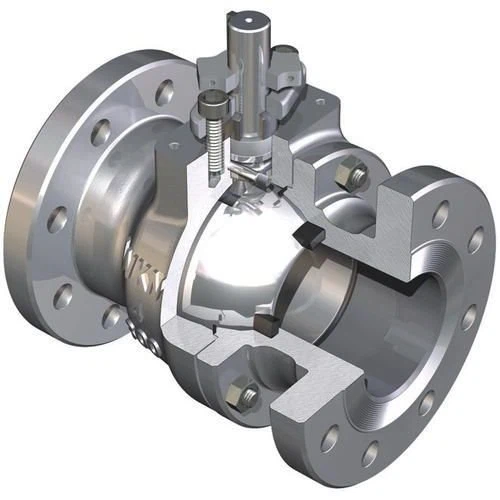
If you are in the market for floating ball valves or need assistance with valve calibration, we encourage you to reach out to us. We can provide you with detailed product information, customized solutions, and competitive pricing. Our goal is to help you find the right valve for your application and ensure its optimal performance.
Conclusion
Centre-pivoted Butterfly Valve Calibrating a floating ball valve is a complex but essential process that requires careful attention to detail. By following the steps outlined in this blog post and referring to the manufacturer’s manual, you can ensure that your floating ball valve operates efficiently and safely. Remember, regular calibration is key to maintaining the performance and longevity of your valve. If you have any questions or need further assistance, don’t hesitate to contact us. We’re here to help you make the most of your floating ball valve investment.
References
- "Valve Handbook" – A comprehensive guide to valve technology and applications.
- Manufacturers’ technical documentation for specific floating ball valve models.
- Industry standards and codes related to valve calibration and maintenance.
Zhejiang Sunawei Valve Co., Ltd.
As one of the most professional floating ball valve manufacturers and suppliers in China, we offer a wide range of valves with superior quality. Please feel free to wholesale high quality floating ball valve at competitive price from our factory. We also accept customized orders.
Address: Anfeng Industrial, Oubei Town, Wenzhou City, Zhejiang, China
E-mail: snv@sunawevalve.com
WebSite: https://www.sunay-valves.com/
