Hey there! I’m a supplier of machine tool accessories, and today I wanna chat about the inspection methods for these accessories. As someone who’s been in the business for a while, I know how crucial it is to ensure the quality of our products. So, let’s dive right in! Machine Tool Accessories
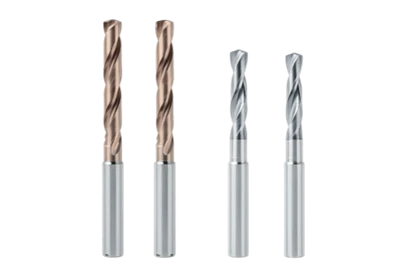
Visual Inspection
The first and most basic method is visual inspection. It’s simple, yet super effective. When I get a batch of machine tool accessories, I start by just looking at them. I check for any obvious signs of damage like cracks, scratches, or dents. For example, if it’s a cutting tool, a crack can significantly affect its performance. A small crack might seem harmless, but it can lead to the tool breaking during operation, which can be a real headache for the customer.
I also look at the surface finish. A smooth surface finish is often a sign of a well – made accessory. Rough surfaces can lead to issues like increased friction, which can wear out the accessory faster and also affect the quality of the work it’s used for. And I pay attention to the color. Any discoloration could indicate problems like corrosion or overheating during the manufacturing process.
Dimensional Inspection
Next up is dimensional inspection. Accuracy in dimensions is key for machine tool accessories. If the dimensions are off, the accessory might not fit properly into the machine or work as intended. We use various tools for this. Calipers are my go – to tool for measuring small parts. They’re precise and easy to use. I can measure the diameter of a drill bit, the width of a keyway, or the length of a shaft quickly and accurately.
For larger parts, we might use micrometers or optical comparators. Micrometers can give us extremely accurate measurements, down to the thousandths of an inch. Optical comparators, on the other hand, project an enlarged image of the part onto a screen, allowing us to compare its shape and dimensions to a standard.
Another important aspect of dimensional inspection is checking the tolerance. Every accessory has a specified tolerance range within which its dimensions should fall. If the part is outside this range, it’s considered out of spec and might need to be rejected or re – worked.
Material Inspection
The quality of the material used in machine tool accessories is vital. We need to make sure the material has the right properties for the job. One common method is hardness testing. We use a hardness tester to check how hard the material is. Different applications require different levels of hardness. For example, a cutting tool needs to be hard enough to cut through the workpiece, but not so hard that it becomes brittle and breaks easily.
We also do chemical analysis to determine the composition of the material. This can be done using techniques like spectroscopy. By knowing the exact chemical composition, we can ensure that the material meets the required standards. For instance, if an accessory is supposed to be made of a certain grade of steel, the chemical analysis will tell us if it actually is.
Functional Inspection
After visual, dimensional, and material inspections, we move on to functional inspection. This is where we test if the accessory actually works as it should. For example, if it’s a collet, we’ll test its ability to hold a tool securely. We’ll put a tool in the collet and check for any play or movement. A loose collet can cause the tool to vibrate during operation, which can lead to poor machining results.
For electrical components, we’ll test their electrical conductivity and performance. We use multimeters and other electrical testing equipment to ensure that they’re functioning properly. If an electrical component fails the functional test, it’s a no – go.
Dynamic Balance Inspection
Some machine tool accessories, like rotating parts, need to be dynamically balanced. An unbalanced part can cause vibrations, which can damage the machine and reduce the quality of the work. We use a dynamic balancing machine to check and correct the balance of these parts. The machine spins the part at high speeds and measures any imbalances. Then, we can add or remove weight from specific areas to bring the part into balance.
Fatigue Testing
In some cases, we also do fatigue testing. Machine tool accessories are often subjected to repeated stress during their operation. Fatigue testing involves applying cyclic loads to the part to see how many cycles it can withstand before failure. This helps us determine the accessory’s lifespan and durability. If an accessory fails the fatigue test too early, we know there’s a problem with its design or material.
Supplier Quality Assurance
As a supplier, I also work closely with my own suppliers to ensure the quality of the raw materials and components I use. I ask for documentation like material certificates and test reports. I also conduct on – site inspections of their facilities from time to time. This way, I can catch any potential quality issues early on and avoid problems down the line.
Warranty and After – Sales Support
Even with all these inspection methods, sometimes things can still go wrong. That’s why I offer a warranty on my machine tool accessories. If a customer has an issue with a product, they can contact me, and I’ll do my best to resolve it. Whether it’s replacing the part or providing technical support, I’m committed to keeping my customers happy.
Conclusion
So, there you have it! These are some of the main inspection methods for machine tool accessories. As a supplier, I take quality very seriously. I know that my customers rely on me to provide them with high – quality products that will work effectively and last a long time. By using these inspection methods, I can ensure that every accessory that leaves my facility meets the highest standards.
If you’re in the market for machine tool accessories, I’d love to chat with you. Whether you have questions about the products or want to discuss your specific needs, I’m here to help. Feel free to get in touch to start a conversation about your next purchase.
Tool Holder References
- "Machinery’s Handbook" – A comprehensive reference for mechanical engineers and machine tool operators.
- Various industry publications on manufacturing and quality control.
Shun Wei Precision Technology Co., Ltd.
With abundant experience, we are one of the most reliable machine tool accessories manufacturers and suppliers in China. We warmly welcome you to buy durable machine tool accessories at competitive price from our factory. If you have any enquiry about cooperation, please feel free to email us.
Address: Room901, Building2, Yijing Apartment, Northeast side of the intersection of Central Avenue and East Fifth Road, Tianjin Free Trade Zone (Airport Economic Zone)
E-mail: sale@sw-csd.com
WebSite: https://www.tjswprecisiontool.com/
