What is the best thermal imager for radiator inspections?
As a supplier of thermal imagers, I’ve had the privilege of witnessing firsthand how these remarkable devices have revolutionized radiator inspections. In this blog, I’ll share my insights to help you choose the best thermal imager for your radiator inspection needs. Thermal Imager
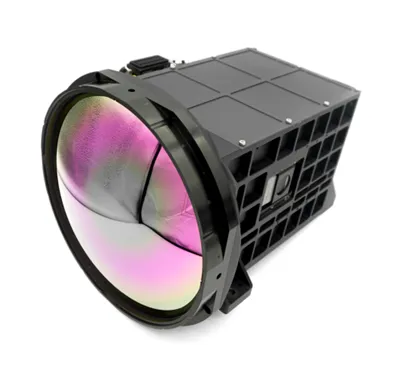
Radiators are crucial components in many heating and cooling systems. Ensuring their proper functioning is essential for energy efficiency, comfort, and safety. Thermal imagers play a vital role in radiator inspections by allowing us to detect temperature variations that are invisible to the naked eye. By identifying hotspots, cold spots, and other irregularities, we can diagnose problems such as blockages, leaks, and inefficient heat transfer early on, preventing costly repairs and downtime.
When it comes to choosing the best thermal imager for radiator inspections, several factors need to be considered.
Resolution
One of the most important factors is the thermal imager’s resolution. Resolution refers to the number of pixels in the thermal image. A higher resolution means more detail in the image, allowing you to detect smaller temperature differences and identify potential issues more accurately. For radiator inspections, a thermal imager with a minimum resolution of 320 x 240 pixels is recommended. However, if you need to detect very small temperature differences or inspect complex radiator systems, a higher resolution, such as 640 x 480 pixels, may be necessary.
Thermal Sensitivity
Thermal sensitivity, also known as noise equivalent temperature difference (NETD), measures the smallest temperature difference that a thermal imager can detect. A lower NETD value indicates higher thermal sensitivity, which means the thermal imager can detect even the slightest temperature variations. For radiator inspections, a thermal imager with a NETD of 0.05°C or lower is ideal. This level of sensitivity allows you to detect small temperature differences that may indicate problems such as blockages or leaks.
Temperature Range
The temperature range of a thermal imager refers to the minimum and maximum temperatures it can measure. When inspecting radiators, you need a thermal imager with a temperature range that can cover the typical operating temperatures of radiators. Most radiators operate within a temperature range of 50°C to 100°C, so a thermal imager with a temperature range of at least -20°C to 250°C is recommended. However, if you need to inspect radiators in high-temperature applications, such as industrial processes, you may need a thermal imager with a higher temperature range.
Field of View
The field of view (FOV) of a thermal imager determines the area that can be captured in a single image. A wider FOV allows you to capture a larger area of the radiator, which is useful for quickly identifying overall temperature patterns. However, a wider FOV also means less detail in the image. For radiator inspections, a thermal imager with a FOV of at least 20° x 15° is recommended. This FOV provides a good balance between capturing a large area and maintaining sufficient detail in the image.
Image Quality
In addition to resolution, thermal sensitivity, temperature range, and field of view, image quality is also an important consideration. A thermal imager with good image quality will produce clear, sharp, and accurate thermal images. Look for a thermal imager that offers features such as adjustable color palettes, image enhancement tools, and the ability to capture and store images for later analysis.
Ease of Use
Another important factor to consider is the ease of use of the thermal imager. You want a thermal imager that is easy to operate, even if you have little or no experience with thermal imaging. Look for a thermal imager with a user-friendly interface, intuitive controls, and a clear display. Some thermal imagers also offer features such as built-in lasers for targeting and measurement, which can make the inspection process even easier.
Durability
Radiator inspections often take place in harsh environments, so durability is an important consideration. Look for a thermal imager that is built to withstand the rigors of daily use. A thermal imager with a rugged design, shock-resistant housing, and water and dust resistance is ideal.
Cost
Finally, cost is always a consideration when choosing a thermal imager. Thermal imagers can vary widely in price, depending on their features, performance, and brand. While it’s important to choose a thermal imager that meets your needs and budget, keep in mind that a higher-quality thermal imager may cost more upfront but can save you money in the long run by providing more accurate and reliable inspections.
Based on these factors, I recommend the following thermal imagers for radiator inspections:
-
Model A: This thermal imager offers a high-resolution 640 x 480 pixel detector, a thermal sensitivity of 0.03°C, a temperature range of -20°C to 650°C, and a field of view of 25° x 19°. It also features adjustable color palettes, image enhancement tools, and the ability to capture and store images for later analysis. With its user-friendly interface, intuitive controls, and rugged design, this thermal imager is ideal for radiator inspections in a variety of applications.
-
Model B: This thermal imager has a 320 x 240 pixel detector, a thermal sensitivity of 0.05°C, a temperature range of -20°C to 350°C, and a field of view of 20° x 15°. It offers a wide range of features, including adjustable color palettes, image enhancement tools, and the ability to measure temperatures at multiple points in the image. This thermal imager is easy to use and provides accurate and reliable inspections at an affordable price.
-
Model C: This Entry-level thermal imager has a 160 x 120 pixel detector, a thermal sensitivity of 0.1°C, a temperature range of -20°C to 250°C, and a field of view of 25° x 19°. The thermal imager offers features like adjustable color palettes and built-in lasers for targeting and measurement. It is designed easy to operate and portable, which is suitable for small radiator inspections.
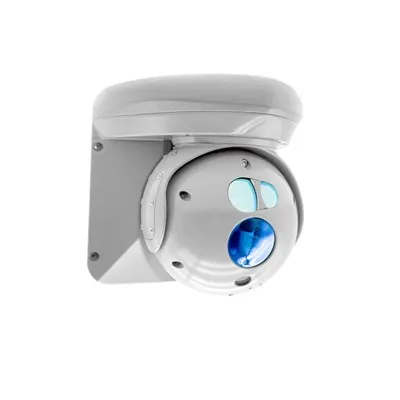
In conclusion, choosing the best thermal imager for radiator inspections requires careful consideration of several factors, including resolution, thermal sensitivity, temperature range, field of view, image quality, ease of use, durability, and cost. By selecting a thermal imager that meets your specific needs and budget, you can ensure accurate and reliable radiator inspections, saving you time, money, and energy in the long run.
Anti Drone System If you’re interested in learning more about our thermal imagers for radiator inspections, or if you have any questions about choosing the right thermal imager for your needs, please don’t hesitate to contact us. We have a team of experienced professionals who can provide you with detailed information and help you make an informed decision. Start optimizing your radiator inspections today with our high-quality thermal imagers.
References
- "Thermal Imaging Handbook", XYZ Publishing
- Industry reports on thermal imaging technology performance
- Previous case studies on radiator inspection using thermal imagers
Xi’an Zhongke Lead Ir-Tech Co., Ltd.
We are one of the most experienced thermal imager manufacturers in China, specialized in providing high quality OEM products with the industrial grade. We warmly welcome you to wholesale high performance thermal imager at an affordable price from our factory.
Address: Building 8,Hard Technology Enterprise Community No.3000,Biyuan 2nd Rd,High-Tech Zone Xi’an,Shaanxi,China
E-mail: sales@lead-ir.com
WebSite: https://www.leadinfrared.com/
