Hey there, if you’ve ever had to dig trenches for a project—whether it’s running fiber optic lines, laying water pipes, or even doing some landscape edging—you know how big of a difference picking the right trencher makes. I’m on the ground with folks who use our trenchers every day, and let’s be real: choosing the wrong one can turn a simple 2-day job into a 2-week nightmare. You’ll get stuck on hard clay, burn through way too much fuel, or worse, damage the lines you’re trying to install. As a trencher supplier, I’ve seen it all, and today I’m breaking down exactly how to pick one that fits your project like a glove. Trencher
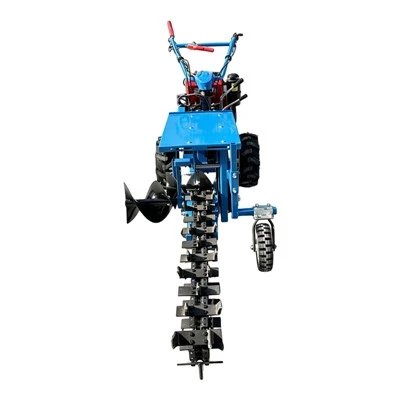
First off, let’s start with the basics: what kind of ground are you working in? That’s not just a throwaway question. I’ve had a customer show up with a super light walk-behind trencher, thinking it’d be enough for a residential fence line, only to hit solid granite halfway through the first day. He ended up renting a heavier ride-on from us and wasting a whole day when he should’ve just got the right machine upfront. Soft soil, sandy loam, clay, rock—each needs a different type of trencher. Walk-behind models are great for soft, loose dirt because they’re light and easy to maneuver around small yards. But if there’s any rock or compacted clay, you’ll need a mid-sized ride-on with a bigger engine. For heavy-duty jobs, like trenching for underground utilities in rocky terrain, you’re looking at a tracked trencher with a hydraulic system that can dig through the tough stuff without getting stuck. Trust me, skimping here costs way more than just getting the right machine first.
Next up, trench depth and width. That’s non-negotiable. I can’t tell you how many times someone asks for a trencher that digs 3 feet deep, but forgets that their pipe needs 4 feet of depth plus 6 inches of clearance on both sides. Suddenly, that “3-foot” trencher is too shallow, and they’re back at square one. Same with width: a narrow 4-inch trench works for fiber, but a 12-inch wide trench is needed for a water main. You don’t want to have to re-dig a trench because you cut it too narrow or too shallow. Our team always asks for exact specs from customers—like pipe diameter, required depth, and even if they need extra space for backfilling—to point them to the right model. Also, keep in mind: some trenchers have adjustable digging chains, so if you might need to switch width down the line, that’s a nice perk. Just don’t count on that if your project is fixed for one size.
Then there’s the size of the project and your crew. Are you doing a 100-foot residential job, or a 10,000-foot commercial site? Walk-behind trenchers are perfect for small, tight spaces—like a backyard between a house and a tree line. They’re easy to transport in a pickup, no special trailer needed, and one person can operate them alone. But for large-scale projects, a ride-on or tracked trencher will save you so much time. You can dig faster, cover more ground, and your crew doesn’t have to push a heavy machine all day. I had a telecom crew last year that was using walk-behinds for a 5,000-foot fiber job; switching to our mid-sized ride-on cut their time in half. Also, think about operator experience: walk-behinds are simpler, but ride-ons have more controls, so if your crew’s new to operating heavy machinery, maybe start with a smaller model until they get the hang of it.
Fuel type and maintenance—wait, that’s a big one a lot of people overlook. Do you have easy access to gas, or is the job site remote? Gas-powered trenchers are great for most jobs, but diesel models have more torque for heavy digging, and they get better fuel efficiency on long projects. Electric trenchers are quieter, which is perfect for residential areas where noise restrictions are tight (like a neighborhood HOA that doesn’t want loud gas engines). But electric means you need a power source—either a long extension cord or a portable generator—and that can be a hassle if your job site is way from an outlet. Also, maintenance: gas engines are easier to fix on the go, but diesel needs more regular oil changes and filter checks. Electric trenchers have fewer moving parts, so less maintenance overall, but if something breaks, it’s often trickier to repair in the field. I always tell customers to weigh what’s easier for their specific job—not just which is “better” in general.
Transport and storage too, don’t sleep on that. A huge model might have the power you need, but can you get it to the job site? If you have a small pickup, a ride-on trencher might be too big to tow without a trailer, and some tracked models need a heavy-duty trailer that costs extra. Also, where are you storing it when you’re not using it? A walk-behind can fit in a small garage, but a big tracked trencher needs a lot of space. Last quarter, a customer bought a 6-foot tracked trencher for a single commercial job, only to realize he didn’t have space to store it on his small lot. He ended up renting storage for it, which added $500 to his project cost. That’s the kind of hidden expense you can avoid just by checking transport and storage upfront.
Wait, one more thing: attachments and extra features. A lot of trenchers come with add-ons that can make your life way easier. For example, some have backfill blades that follow right behind the digging chain, so you don’t have to spend extra time raking dirt back in. Others have trenchers with depth controls that lock in place, so you don’t have to keep adjusting it as you dig. If you’re doing a job that needs you to switch between trenching and something else, like removing stumps or tilling, some models have interchangeable attachments. I had a landscaper who used our ride-on trencher with a tiller attachment to prep soil after digging for a patio—saved him from renting a separate tiller. But here’s the catch: don’t buy a bunch of attachments you don’t need just because they’re there. Stick to what your project requires, otherwise you’re wasting money on stuff you’ll never use.

Let me wrap this up with a quick example to make it real. Say you’re a homeowner installing a sprinkler system in your front yard. The ground is soft loam, you need trenches 8 inches deep and 4 inches wide, the job is about 150 feet, and you have a small pickup. A walk-behind gas trencher would be perfect—easy to tow, easy to operate, gets the job done without overkill. Now, if you’re a utility company laying a 1,000-foot water main in clay soil with some small rocks, you’d need a mid-sized ride-on with a diesel engine, adjustable depth, and a way to tow it on a flatbed. If you ignore that and get a walk-behind, you’ll break the digging chain, spend hours clearing rocks, and probably miss your deadline.
Remote Mower At the end of the day, choosing the right trencher isn’t about buying the biggest, baddest machine on the market. It’s about matching the machine to your ground, your trench specs, your project size, and your situation. If you’re still not sure which one fits, my team and I are here to help—we’ve worked with everyone from homeowners to big construction companies, so we can point you to the exact model that won’t turn your project into a headache. Drop us a line to chat through details, no pressure, just helping you get the right tool for the job.
References
- Construction Equipment Association. (2022). "Selecting Trenching Equipment for Residential and Commercial Projects."
- National Utility Contractors Association. (2021). "Trencher Ground Compatibility Guidelines."
- Occupational Safety and Health Administration (OSHA). (2020). "Safe Operation of Walk-Behind and Ride-On Trenchers."
Zhihao Highway Engineering Machinery Co., Ltd.
As one of the most professional trencher manufacturers and suppliers in China, we have world-leading production equipment and strong manufacturing capabilities. Please rest assured to wholesale customized trencher made in China here from our factory. For price consultation, contact us.
Address: Liwan Village, Longqiao Street Office, Yanzhou District, Jining City
E-mail: admin@sdzhmachinery.com
WebSite: https://www.zhroadmach.com/
