If you’ve been updating your home’s exterior lately, you’ve probably stumbled on a million options for railings—wood, vinyl, steel, even glass. But I’m here to tell you, aluminum railings are totally slept on for residential use, and as a supplier who’s helped hundreds of homeowners, I’m gonna break down exactly why they make way more sense than you might think, and why they’re perfect for your place. Aluminum Railing Systems

First off, let’s get one thing straight: when most people picture aluminum railings, they think of old, flimsy stuff you’d see on a public park bridge or a cheap apartment balcony. That couldn’t be further from the truth these days. Modern residential aluminum systems are engineered specifically for homes, and they’re way more durable than wood or vinyl. Wait, let’s talk about durability first because that’s the big one for homeowners who don’t wanna deal with constant repairs. Wood railings, for example, rot if they get wet, scratch super easy, and need staining every 1-3 years if you want them to look good. Vinyl? It fades in direct sunlight, cracks when it’s cold out, and gets brittle over time. Aluminum? It’s naturally rust-resistant, right? Because it forms a protective oxide layer when it’s exposed to air, so even if it rains, snows, or gets hit by humidity, it won’t corrode. I’ve had customers in Florida, where salt air from the ocean would eat through steel railings in 2 years, put up aluminum 5 years ago, and they still look brand new. No repainting, no sanding, no replacing rotted sections—just wipe ’em down with a rag once a year, and you’re good. That’s a huge win for anyone who hates DIY or throwing money at maintenance.
But wait, some folks will say, “Aluminum is heavy, right?” No, actually, it’s lighter than steel, which makes installation way easier—especially if you’re a DIYer or your contractor doesn’t wanna haul 50-pound steel pieces up a second-story balcony. And when we supply our systems, all the parts are pre-cut and pre-drilled, so installation is way faster than wood too. I’ve seen a contractor put up a 10-foot deck railing in half the time it would take to do a wood one, and that translates to less labor cost for you. Even if you’re hiring a pro, that’s a big savings.
Now, what about style? A lot of people think aluminum is boring, all silver and industrial. Nope, we offer like a dozen finishes now—matte black, bronze, white, even textured wood-grain looks if you want the warm vibe without the upkeep. You can do glass inserts for a sleek, modern balcony, or pick vertical bars with a custom shape to match your home’s architecture. We’ve had customers with Craftsman-style homes go for our dark bronze aluminum railings, and it pops against the green trim perfectly. And for people who rent? Wait, no, this is residential, so owners—if you ever sell your home, aluminum railings are a huge selling point. New buyers hate the idea of having to replace railings, so it’s a perk that makes your house stand out from others on the market.
What about safety? That’s non-negotiable for residential use, especially if you have kids or pets. Aluminum railings are built to meet all local building codes—we test every single system we sell to make sure the vertical bars are close enough together so a small kid’s head can’t get stuck (max 4 inches apart, which is standard). They’re also strong enough to hold the required load—like, they won’t collapse if your kid is leaning on them, or if you’re putting heavy planters on your balcony rail. Wood can sag over time if it’s not treated right, vinyl cracks, but aluminum stands up to that weight. I’ve had a customer whose golden retriever loves to lean on their balcony railing, and after 3 years, there’s not even a scratch on it. That’s peace of mind right there.
Wait, but what about cost? A lot of people assume aluminum is more expensive upfront, but let’s do the math. A wood railing might cost $20 per linear foot, but you have to stain it every 2 years, which is another $100 a pop for a small deck, and it’ll last 10-15 years max. Aluminum is $35 per linear foot upfront, but it doesn’t need any ongoing maintenance, and it’ll last 50+ years. Over that time, you’re spending way less with aluminum. Plus, like I said, installation is faster, so labor costs are lower. I’ve had customers tell me they saved almost $1,000 over 10 years by going with aluminum instead of wood. Vinyl’s upfront cost is similar to aluminum, but it fades and cracks, so you’ll have to replace it in 10-12 years, so again, aluminum wins long-term.
Now, are there any downsides? Let’s be real, nothing’s perfect. Some people complain that aluminum can get hot in direct sunlight—if your balcony faces south and gets all day sun, the top rail might get too hot to touch barehanded. But here’s the fix: we offer padded handrails (made of vinyl or rubber) that attach to the top, so you can still hold it without burning your hand. Or, if you don’t want that, we can suggest a powder-coat finish that reflects sunlight, so it doesn’t get as hot. That’s an easy solution, no big deal. Another thing? Aluminum is recyclable, which is a huge plus for eco-conscious homeowners. When you eventually replace your railings, you can melt them down and reuse the metal, so they’re way better for the environment than wood, which might end up in a landfill if it rots.
Let me share a quick customer story to make this real. Last year, a guy in Chicago contacted me—his wood deck railing had rotted after 3 years, and he had two toddlers, so he was worried about safety. He was looking at vinyl, but he heard it gets brittle in Chicago’s cold winters. We sent him samples of our matte black aluminum railings, he loved how they looked, and we installed them for him. Now, a year later, he sent me a photo—his kids are climbing on the deck, the railings look exactly like they did when we put them up, and he says he’ll never go back to wood. That’s the kind of feedback we get all the time.
So, to wrap this up: aluminum railing systems are totally suitable for residential use. They’re durable, low-maintenance, easy to install, safe, stylish, and cost-effective in the long run. The old myths about them being flimsy or boring are just that—myths. We’ve got options for every home, whether you have a small apartment balcony or a big backyard deck.
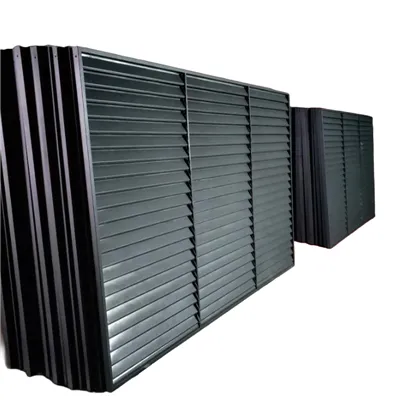
If you’re thinking about upgrading your railings, or you want more info on pricing, styles, or installation, hit me up to talk. I can send over samples, answer any questions you have, and even connect you with a local installer if you don’t wanna do it yourself. No pressure, just honest advice from someone who’s been in this business for years and has seen firsthand how great aluminum railings work for homes.
Railing Systems References
- International Code Council. (2021). International Residential Code for One- and Two-Family Dwellings.
- Aluminum Association. (2022). Residential Aluminum Railing Systems: Durability and Maintenance Benefits.
- National Association of Home Builders. (2023). Exterior Home Features That Boost Resale Value.
- Vinyl Institute. (2021). Comparative Analysis of Exterior Railing Material Longevity.
Jiangxi Hengmei New Materials Co., Ltd.
We’re well-known as one of the leading aluminum railing systems manufacturers in China, featured by quality products and good service. Please rest assured to buy bulk aluminum railing systems made in China here from our factory. We also accept customized orders.
Address: Wanfu Industrial Park, Wuning County, Jiujiang City, Jiangxi Province
E-mail: 13979274798@163.COM
WebSite: https://www.hengmeiindustry.com/
