Can insecticides be used in food production? This is a question that has sparked intense debate among consumers, environmentalists, and the agricultural industry. As a supplier of insecticides, I have a unique perspective on this issue. In this blog post, I will explore the role of insecticides in food production, the concerns associated with their use, and the steps we can take to ensure their safe and responsible application. Insecticide

The Role of Insecticides in Food Production
Insecticides play a crucial role in modern agriculture. They are used to control pests that can damage crops, reduce yields, and spread diseases. Without insecticides, farmers would face significant challenges in producing enough food to meet the growing global demand.
One of the primary benefits of insecticides is their ability to protect crops from insect pests. Insects such as aphids, caterpillars, and beetles can cause extensive damage to plants, leading to reduced yields and lower quality produce. By using insecticides, farmers can effectively control these pests and protect their crops from damage.
In addition to protecting crops, insecticides can also help to prevent the spread of diseases. Many insects are carriers of plant diseases, such as viruses and bacteria, which can cause significant damage to crops. By using insecticides to control these insects, farmers can reduce the risk of disease transmission and protect their crops from infection.
Concerns Associated with Insecticide Use
While insecticides are an important tool in food production, their use also raises several concerns. One of the main concerns is the potential impact of insecticides on human health. Some insecticides have been linked to a range of health problems, including cancer, neurological disorders, and reproductive issues.
Another concern is the impact of insecticides on the environment. Insecticides can have a negative impact on non-target organisms, such as bees, birds, and fish. They can also contaminate soil and water, leading to environmental degradation.
In addition to these concerns, there is also a growing concern about the development of insecticide resistance. Over time, insects can develop resistance to insecticides, making them less effective in controlling pests. This can lead to the need for higher doses of insecticides, which can further increase the risk of environmental and health impacts.
Steps to Ensure Safe and Responsible Insecticide Use
To address these concerns, it is important to ensure the safe and responsible use of insecticides in food production. Here are some steps that can be taken to minimize the risks associated with insecticide use:
- Use integrated pest management (IPM) strategies: IPM is a holistic approach to pest management that combines the use of biological, cultural, and chemical control methods. By using IPM strategies, farmers can reduce their reliance on insecticides and minimize the environmental and health impacts of their use.
- Follow label instructions: Insecticides are regulated by government agencies, and it is important to follow the label instructions carefully when using them. This includes using the correct dosage, applying the insecticide at the appropriate time, and taking appropriate safety precautions.
- Choose the right insecticide: There are many different types of insecticides available, each with its own strengths and weaknesses. It is important to choose the right insecticide for the specific pest problem and to use it in a way that minimizes the risk of environmental and health impacts.
- Monitor and evaluate insecticide use: Regular monitoring and evaluation of insecticide use can help to identify any potential problems and to make adjustments as needed. This can help to ensure that insecticides are used in a safe and responsible manner.
The Future of Insecticide Use in Food Production
As the global population continues to grow, the demand for food is expected to increase. This will put pressure on farmers to produce more food using fewer resources. Insecticides will continue to play an important role in food production, but it is important to use them in a way that is safe and sustainable.
In the future, we can expect to see the development of new and more effective insecticides that are less harmful to the environment and human health. We can also expect to see the increased use of IPM strategies and other alternative pest control methods.
Conclusion
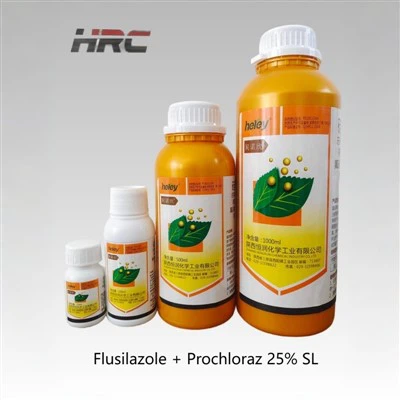
In conclusion, insecticides can be used in food production, but it is important to use them in a safe and responsible manner. By following the steps outlined in this blog post, we can minimize the risks associated with insecticide use and ensure that our food is safe and sustainable.
Pesticide Formulations If you are interested in learning more about our insecticides or would like to discuss your specific pest control needs, please contact us. We would be happy to help you find the right solution for your farm or business.
References
- Environmental Protection Agency. (2023). Insecticides. Retrieved from [URL]
- World Health Organization. (2023). Pesticides and human health. Retrieved from [URL]
- Food and Agriculture Organization of the United Nations. (2023). Integrated pest management. Retrieved from [URL]
Shaanxi Hengrun Linong Biotechnology Co., Ltd.
We’re well-known as one of the leading insecticide manufacturers and suppliers in China, featured by quality products and low price. Please rest assured to buy discount insecticide from our factory. Welcome to view our website for more information.
Address:
E-mail: sales@hengrunagro.com
WebSite: https://www.hengrunagro.com/
