As a supplier of furniture wood boards, I’ve had the privilege of working closely with various types of wood boards, each with its unique set of strengths. In this blog, I’ll delve into the characteristics and advantages of different furniture wood boards, providing valuable insights for those in the furniture industry or anyone looking to make informed decisions about wood board selection. Furniture Wood Board

Solid Wood Boards
Solid wood boards are perhaps the most traditional and widely recognized type of furniture wood. They are made from single pieces or multiple pieces of natural wood joined together. One of the most significant strengths of solid wood boards is their aesthetic appeal. The natural grain patterns, colors, and textures of solid wood add a warm and inviting look to any piece of furniture. Whether it’s the rich, dark tones of mahogany or the light, honey – colored oak, solid wood can enhance the beauty of a room.
In terms of durability, solid wood is hard to beat. When properly maintained, solid wood furniture can last for generations. It can withstand normal wear and tear, such as scratches and dents, better than many other materials. For example, teak is a very dense and oily wood. Its natural oils make it resistant to rot, decay, and insects. This makes teak an excellent choice for outdoor furniture, as it can endure harsh weather conditions without significant damage.
Another strength of solid wood is its environmental friendliness. Wood is a renewable resource, and if sourced from sustainably managed forests, it has a relatively low carbon footprint compared to some synthetic materials. Moreover, solid wood can be repaired and refinished, extending its lifespan and reducing waste.
However, solid wood does have some drawbacks. It is more expensive than many other types of wood boards due to the cost of raw materials and the labor – intensive manufacturing process. It is also more prone to warping and cracking, especially in environments with high humidity or temperature fluctuations.
Plywood
Plywood is made by gluing together multiple thin layers of wood veneer, with the grain of each layer running perpendicular to the adjacent ones. This cross – grain construction gives plywood several important strengths.
First, plywood is extremely strong and stable. The cross – grain arrangement distributes stress evenly across the board, making it less likely to warp or crack compared to solid wood. This stability makes plywood an ideal choice for large furniture pieces, such as cabinets and bookshelves, where a flat and stable surface is crucial.
Plywood is also very versatile. It can be easily cut, shaped, and bent to fit different design requirements. This makes it a favorite among furniture designers who need to create complex shapes and curves. For example, in modern furniture design, plywood can be used to create sleek, minimalist pieces with smooth, flowing lines.
In addition, plywood is relatively cost – effective. It uses less solid wood compared to solid wood boards, as it is made from thin veneers. This makes it a more affordable option for furniture manufacturers, especially those producing large quantities of furniture.
However, the quality of plywood can vary greatly depending on the type of wood used for the veneers and the quality of the glue. Low – quality plywood may delaminate over time, and the edges may be prone to chipping.
Particleboard
Particleboard is made from wood particles, such as sawdust, wood chips, and shavings, that are compressed and bonded together with resin. One of the main strengths of particleboard is its cost. It is one of the most affordable types of wood boards on the market, making it a popular choice for budget – friendly furniture.
Particleboard has a smooth and uniform surface, which is ideal for painting or laminating. It can be easily covered with a variety of finishes, such as melamine or veneer, to mimic the look of more expensive wood. This allows furniture manufacturers to create attractive pieces at a lower cost.
Particleboard is also relatively lightweight, which makes it easier to handle and transport. This is an advantage for both manufacturers and consumers, as it reduces the cost of shipping and installation.
However, particleboard is not as strong or durable as solid wood or plywood. It is more prone to moisture damage, and if it gets wet, it can swell and lose its structural integrity. It also has a lower load – bearing capacity compared to other wood boards, so it may not be suitable for heavy – duty furniture.
Medium – Density Fiberboard (MDF)
MDF is made from wood fibers that are broken down and then compressed and bonded together with resin under high pressure. MDF has several notable strengths.
One of the key advantages of MDF is its smooth and consistent surface. It has no visible grain or knots, which makes it perfect for painting or applying veneers. Furniture made from MDF can have a very sleek and modern appearance.
MDF is also very easy to work with. It can be cut, drilled, and shaped with standard woodworking tools. It is especially well – suited for intricate carving and detailed designs, as it holds its shape well and can create sharp edges.
In terms of cost, MDF is more affordable than solid wood but more expensive than particleboard. It offers a good balance between cost and quality, making it a popular choice for a wide range of furniture applications, from kitchen cabinets to decorative wall panels.
However, like particleboard, MDF is sensitive to moisture. It can swell and warp if exposed to high levels of humidity or water, so it needs to be properly sealed and protected in humid environments.
Engineered Wood Boards
Engineered wood boards are a class of wood products that are designed to combine the best features of different types of wood and other materials. For example, some engineered wood boards are made by laminating a thin layer of real wood veneer on top of a core made from plywood, particleboard, or MDF.
The strength of engineered wood boards lies in their ability to offer the aesthetic appeal of solid wood with the stability and cost – effectiveness of other materials. The real wood veneer provides the natural look and feel of solid wood, while the core material provides the necessary strength and stability.
Engineered wood boards are also more resistant to moisture and temperature changes compared to solid wood. They can be used in a wider range of environments, including areas with high humidity, without the risk of warping or cracking.
When it comes to choosing the right furniture wood board for your project, it’s important to consider your specific needs, budget, and the intended use of the furniture. Each type of wood board has its own strengths and weaknesses, and understanding these can help you make the best decision.
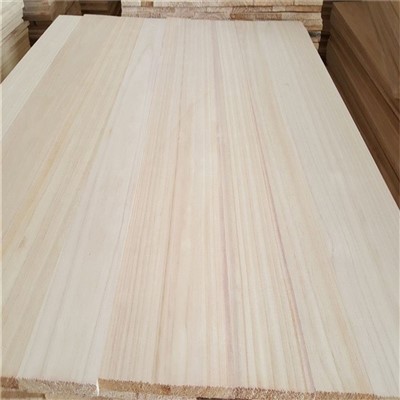
If you’re in the market for high – quality furniture wood boards, I’d be more than happy to assist you. Our company offers a wide range of wood boards, including solid wood, plywood, particleboard, MDF, and engineered wood. We can provide you with detailed information about the characteristics and applications of each type of wood board, and help you select the one that best suits your requirements. Whether you’re a furniture manufacturer, a designer, or a DIY enthusiast, we’re here to support you in creating beautiful and functional furniture.
Paulownia Wood Board Contact us to start a discussion about your wood board needs and let’s work together to bring your furniture ideas to life.
References
- Wood Handbook: Wood as an Engineering Material. Forest Products Laboratory.
- Furniture Manufacturing and Design. Various industry textbooks on furniture production.
- Journal of Wood Science and Technology. Academic research on wood properties and applications.
Cao County Hengyu Woods Co., Ltd.
Cao County Hengyu Woods Co., Ltd. is one of the leading furniture wood board manufacturers and suppliers in China. We warmly welcome you to wholesale customized furniture wood board at low price from our factory. Good service and cheap products are available. For free sample, contact us now.
Address: Cao County, Heze City, Shandong Province, China
E-mail: anna@hengyuwood.com
WebSite: https://www.hengyuwooden.com/
