As a seasoned supplier in the realm of school art supplies, I’ve witnessed firsthand the transformative power of art in education. Art isn’t just about creating beautiful pictures; it’s a medium for self – expression, problem – solving, and cognitive development. However, choosing the right art supplies for schools can be a daunting task, especially with the vast array of products available in the market. In this blog, I’ll share some key factors to consider when making these crucial decisions. School Art Supplies

Understanding the Age and Skill Level of Students
Elementary School Students
Elementary school students are at the early stages of their artistic journey. They are usually full of energy and enthusiasm but lack fine – motor skills and complex artistic concepts. For this age group, safety is paramount. Non – toxic and washable art supplies are a must.
Crayons are a classic choice. They are easy to grip and provide bold colors. Look for crayons made from natural wax and without any harmful chemicals. Finger paints are also popular among younger students. These allow them to explore textures and colors directly with their hands, enhancing sensory development. When it comes to brushes, large – headed, soft – bristled ones are ideal as they are easier to handle.
Middle School Students
Middle school students start to develop more refined motor skills and a greater understanding of artistic techniques. They may be interested in exploring different mediums. Colored pencils are a great option as they offer more precision than crayons. They can be used for shading, detailing, and creating realistic effects.
Watercolor paints are also becoming appealing at this stage. Students can learn about color mixing and transparency. When selecting watercolor sets, ensure they contain a good range of primary and secondary colors. Sketchbooks with a smooth paper surface are necessary for students to practice their drawing skills, whether it’s human figures, landscapes, or still – life objects.
High School Students
High school students are more advanced in their artistry. They may have specific interests in areas like painting, sculpture, or graphic design. For painters, oil paints can be considered, as they provide rich, vibrant colors and a long drying time, allowing for more blending and layering. However, proper ventilation is required when using oil paints.
Sculpture materials such as clay and plaster are suitable for students interested in 3D art. High – quality carving tools are essential for shaping and detailing the sculptures. Graphic design students will need access to digital art supplies, like drawing tablets and software. These tools allow them to create professional – looking designs and illustrations.
Considering the Curriculum Requirements
Schools often have a structured art curriculum that dictates the types of art supplies needed. For example, if the curriculum focuses on traditional painting techniques, then a comprehensive set of acrylic or oil paints, brushes of different sizes, and canvases will be required.
If there is a unit on printmaking, supplies such as linoleum blocks, carving tools, ink, and printing paper will be necessary. Some schools also incorporate art history into their curriculum, and in such cases, students may need access to art books and reference materials.
It’s important to communicate with art teachers to understand the specific requirements of the curriculum. This way, you can ensure that the school has all the necessary supplies to support the learning objectives.
Evaluating the Quality of Art Supplies
Durability
Art supplies need to be durable, especially in a school environment where they are likely to be used frequently. For example, brushes should have strong bristles that don’t fall out easily. Pencils should have a well – made graphite core that doesn’t break easily under normal pressure. Erasers should be able to effectively remove marks without smudging or damaging the paper.
Color Integrity
The colors of the art supplies should be vibrant and long – lasting. In the case of paints, they should not fade over time when exposed to light or air. Colored pencils should produce consistent, rich colors that can be layered and blended smoothly.
Compatibility
When using multiple art materials together, they should be compatible. For example, if a student wants to use watercolor over a graphite sketch, the watercolor should not smear the graphite. Similarly, when using different types of adhesives, they should bond well with the materials they are intended for.
Budget Constraints
Schools often operate on tight budgets, so it’s important to find a balance between quality and cost. Look for suppliers who offer bulk discounts. Many art supply manufacturers provide discounts when schools purchase in large quantities.
Another option is to consider store – brand or generic art supplies. While they may be less expensive than well – known brands, it’s important to test their quality first. Some store – brand products can be of good quality and offer a cost – effective alternative.
It’s also worth exploring grant opportunities or fundraising initiatives to supplement the art supply budget. Some foundations and organizations offer grants specifically for art education in schools.
Environmental Considerations
In today’s world, environmental sustainability is a crucial factor. Look for art supplies that are made from eco – friendly materials. For example, there are crayons made from recycled wax and paper products made from recycled fibers.
Water – based paints are a more environmentally friendly option compared to solvent – based paints. They contain fewer volatile organic compounds (VOCs), which are harmful to the environment and human health.
Recycling is also an important aspect. Encourage schools to set up recycling programs for art supplies, such as recycling used paper, cardboard, and empty paint containers.
Supplier Reliability
As a school art supplies supplier, reliability is one of my top priorities. A reliable supplier should have a consistent inventory. They should be able to provide the necessary art supplies in a timely manner, especially during the start of the school year when demand is high.
Good customer service is also essential. A supplier should be willing to answer questions, provide product recommendations, and handle any issues or complaints promptly. It’s beneficial to choose a supplier who offers after – sales support, such as helping schools with product returns or exchanges if necessary.
In addition, a supplier should have a good reputation in the industry. You can check online reviews or ask other schools for recommendations to ensure that you are working with a trustworthy supplier.
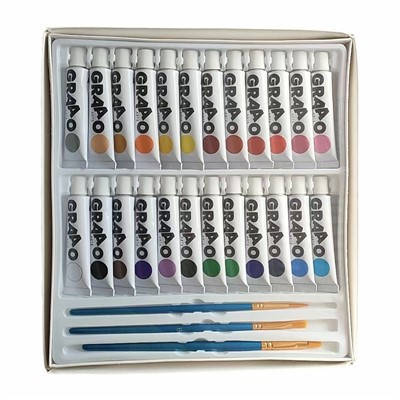
Choosing the right school art supplies is a multi – faceted process that involves considering the students’ age and skill level, curriculum requirements, quality, budget, environmental impact, and supplier reliability. By taking these factors into account, schools can ensure that they are providing students with the best possible tools to nurture their artistic talents.
Painting Pigments If you’re a school administrator, art teacher, or anyone involved in procuring art supplies for an educational institution, I encourage you to get in touch with me to discuss your specific needs. Our team of experts is ready to assist you in selecting the perfect art supplies for your school, at competitive prices and with top – notch service.
References
- "Art Education in the 21st Century" by John Dewey.
- "The High – Quality Art Supply Handbook" by Jane Smith.
- "Environmental Sustainability in Art Materials" published by the Green Art Initiative.
Zhejiang Lanxi Haotian Stationery Co., Ltd.
Address: No. 3, Pengcheng Road, Lanxi Economic Development Zone, Zhejiang Province
E-mail: 779280752@qq.com
WebSite: https://www.cnhtstationery.com/
