As a supplier of tillage equipment, I’ve witnessed firsthand the unique challenges that come with using our machinery in rocky soil. Rocky soil is a common issue in many agricultural regions around the world, and it can significantly impact the performance and longevity of tillage equipment. In this blog, I’ll delve into the various challenges that farmers and operators face when using tillage equipment in rocky soil and discuss some potential solutions. Tillage Equipment
Physical Wear and Tear
One of the most obvious challenges of using tillage equipment in rocky soil is the physical wear and tear on the machinery. Rocks can cause significant damage to tillage tools such as plows, discs, and cultivators. When the equipment comes into contact with rocks, it can lead to bent or broken tines, blades, and other components. This not only affects the efficiency of the tillage operation but also increases the maintenance and repair costs.
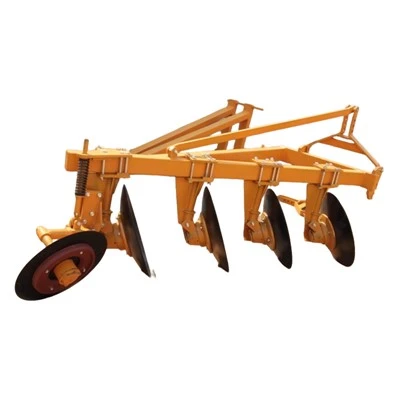
For example, a disc harrow is designed to break up soil and incorporate crop residues. However, in rocky soil, the discs can easily hit rocks, causing them to become dull or even crack. This reduces the cutting ability of the discs and requires frequent sharpening or replacement. Similarly, plowshares can be damaged by rocks, leading to uneven tillage and reduced soil penetration.
The constant impact of rocks on the equipment also places additional stress on the machine’s frame and other structural components. Over time, this can lead to weakening of the frame, misalignment of parts, and premature failure of the equipment. As a supplier, we often see machines that have been damaged by rocky soil, and the cost of repairing or replacing these parts can be substantial.
Reduced Tillage Efficiency
Rocky soil can also significantly reduce the efficiency of tillage operations. The presence of rocks makes it difficult for the equipment to penetrate the soil evenly, resulting in uneven tillage depth and poor soil structure. This can lead to problems such as poor seedbed preparation, uneven germination, and reduced crop yields.
In addition, the rocks can impede the movement of the tillage equipment, causing it to work harder and slower. This not only increases fuel consumption but also reduces the overall productivity of the operation. For example, a tractor pulling a tillage implement may struggle to move through rocky soil, leading to a decrease in the speed at which the tillage can be completed.
Soil Compaction
Another challenge of using tillage equipment in rocky soil is the potential for soil compaction. When the equipment operates on rocky soil, the weight of the machine and the force exerted by the tillage tools can cause the soil to become compacted. This is especially true in areas where there are large rocks or a high concentration of small rocks.
Soil compaction can have a negative impact on crop growth and development. It reduces the pore space in the soil, making it more difficult for water, air, and nutrients to penetrate. This can lead to poor root growth, reduced nutrient uptake, and increased susceptibility to drought and disease. In addition, compacted soil can be more difficult to till in the future, further increasing the challenges for farmers.
Difficulty in Navigation
Rocky soil can also make it difficult to navigate the tillage equipment safely and effectively. The uneven terrain created by the rocks can cause the equipment to bounce or sway, making it challenging to maintain a straight line and a consistent tillage depth. This can lead to overlapping or missed areas during the tillage operation, resulting in uneven soil preparation.
In addition, the presence of rocks can pose a safety hazard to the operator. Large rocks can cause the equipment to tip over or become stuck, potentially injuring the operator. Even small rocks can cause the equipment to vibrate excessively, leading to fatigue and discomfort for the operator over long periods of use.
Potential Solutions
While the challenges of using tillage equipment in rocky soil are significant, there are several potential solutions that can help farmers and operators overcome these issues.
One solution is to use tillage equipment that is specifically designed for rocky soil. For example, some manufacturers offer tillage tools with heavy-duty construction and reinforced components that are better able to withstand the impact of rocks. These tools may be more expensive upfront, but they can provide significant savings in the long run by reducing maintenance and repair costs.
Another solution is to conduct a thorough soil assessment before tillage. This can help identify areas with a high concentration of rocks and allow farmers to take appropriate measures, such as removing the rocks manually or using alternative tillage methods in these areas.
In addition, farmers can consider using implements that are less likely to damage the soil or the equipment when encountering rocks. For example, no-till or minimum tillage systems can reduce soil disturbance and the risk of damage to tillage equipment. These systems also help to preserve soil structure and reduce soil erosion.
Finally, proper maintenance and care of the tillage equipment are essential when working in rocky soil. Regularly inspecting the equipment for damage, sharpening blades and tines as needed, and lubricating moving parts can help extend the life of the machinery and ensure optimal performance.
Conclusion

As a tillage equipment supplier, I understand the challenges that farmers and operators face when using our machinery in rocky soil. The physical wear and tear, reduced tillage efficiency, soil compaction, and difficulty in navigation are all significant issues that can impact the success of agricultural operations. However, by using the right equipment, conducting a thorough soil assessment, and implementing proper maintenance practices, these challenges can be overcome.
Agricultural Implements If you’re a farmer or operator looking for tillage equipment that can handle rocky soil, I encourage you to reach out to us. Our team of experts can help you select the right equipment for your specific needs and provide you with the support and guidance you need to ensure a successful tillage operation. Contact us today to start a conversation about your tillage equipment requirements.
References
- "Tillage Equipment for Rocky Soils: A Guide for Farmers." Agricultural Extension Service.
- "The Impact of Rocky Soil on Tillage Operations." Journal of Agricultural Engineering Research.
- "Best Practices for Using Tillage Equipment in Challenging Soil Conditions." Farm Machinery Magazine.
Sevol International Trade (Shandong) Co., Ltd.
As one of the most professional tillage equipment manufacturers and suppliers in China, we’re featured by quality products and good price. Please rest assured to buy advanced tillage equipment for sale here from our factory. We also accept customized orders.
Address: 1210, Building 13, No. 13129, Yingqian Street, Liyuan Street, Kuiwen District, Weifang City, Shandong Province
E-mail: Savotrak@163.com
WebSite: https://www.sevol-global.com/
