Hey there! I’m a supplier of Signal Distribution Amplifiers, and I know how frustrating it can be when you run into signal loss issues. I’ve been in the business for quite a while, and I’ve seen all sorts of problems with these amplifiers. So, I thought I’d share some tips on how to troubleshoot a Signal Distribution Amplifier when it has signal loss. Signal Distribution Amplifier
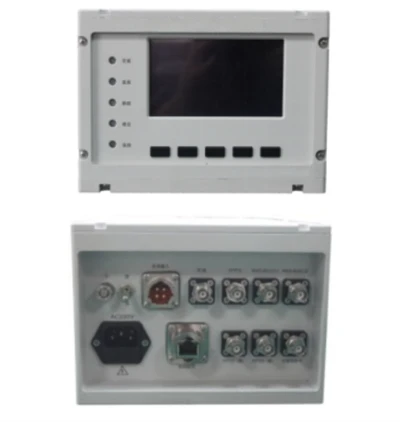
First off, let’s understand what a Signal Distribution Amplifier does. In simple terms, it takes an input signal and distributes it to multiple outputs without degrading the signal quality too much. But sometimes, things go wrong, and you end up with signal loss.
Check the Basics
The first thing you should do when you notice signal loss is to check the basics. I know it sounds obvious, but you’d be surprised how many problems are caused by something as simple as a loose cable.
- Cable Connections: Start by checking all the cable connections. Make sure that the input and output cables are securely plugged into the amplifier. Sometimes, vibrations or accidental bumps can cause the cables to come loose. If you find a loose cable, just plug it in firmly and see if that fixes the problem.
- Power Supply: Another basic thing to check is the power supply. Ensure that the amplifier is properly plugged into a working power source. You can try plugging the amplifier into a different power outlet to rule out any issues with the power socket. Also, check if the power indicator on the amplifier is lit. If it’s not, there might be a problem with the power supply or the amplifier itself.
Inspect the Cables
If the basic checks don’t solve the problem, it’s time to take a closer look at the cables.
- Physical Damage: Examine the cables for any signs of physical damage. Look for cuts, kinks, or frayed wires. Even a small cut in the cable can cause signal loss. If you find any damaged cables, replace them with new ones. It’s always a good idea to keep some spare cables on hand for situations like this.
- Cable Length: The length of the cables can also affect the signal strength. If the cables are too long, the signal can degrade over the distance. Check the manufacturer’s specifications to see what the maximum recommended cable length is. If your cables are longer than the recommended length, try using shorter cables or consider using signal boosters.
Test the Input Signal
If the cables are in good condition, the next step is to test the input signal.
- Use a Signal Meter: You can use a signal meter to measure the strength of the input signal. Connect the signal meter to the input cable of the amplifier and check the signal level. Compare the measured signal level with the expected signal level. If the measured signal level is significantly lower than the expected level, there might be a problem with the source of the signal.
- Check the Source Equipment: If the input signal is weak, check the source equipment. Make sure that the source device is working properly and that it’s outputting a strong signal. You can try connecting the source device to another amplifier or a different input on the same amplifier to see if the problem persists.
Examine the Amplifier Settings
Sometimes, signal loss can be caused by incorrect amplifier settings.
- Gain Settings: Check the gain settings on the amplifier. The gain controls how much the signal is amplified. If the gain is set too low, the output signal will be weak. On the other hand, if the gain is set too high, it can cause distortion. Refer to the amplifier’s manual to find the correct gain settings for your specific application.
- Filter Settings: Some amplifiers have filters that can be used to block certain frequencies. If the filter settings are incorrect, it can cause signal loss. Make sure that the filters are set to the correct frequency range for your signal.
Check for Interference
Interference can also cause signal loss in a Signal Distribution Amplifier.
- Electromagnetic Interference (EMI): EMI can be caused by nearby electrical devices such as motors, transformers, or fluorescent lights. Try moving the amplifier away from any sources of EMI. You can also use shielded cables to reduce the effects of EMI.
- Radio Frequency Interference (RFI): RFI can be caused by radio transmitters, cell phones, or other wireless devices. If you suspect RFI, try turning off any nearby wireless devices and see if the signal loss improves.
Inspect the Amplifier Components
If none of the above steps solve the problem, it might be time to inspect the amplifier components.
- Visual Inspection: Look for any visible signs of damage inside the amplifier. Check for burnt components, loose connections, or signs of overheating. If you’re not comfortable opening the amplifier, it’s best to contact a professional technician.
- Replace Faulty Components: If you find a faulty component, you can try replacing it. However, this requires some technical knowledge and skills. Make sure you use the correct replacement component and follow the manufacturer’s instructions.
Final Steps
If you’ve tried all the above steps and you’re still experiencing signal loss, it might be time to contact the manufacturer or a professional repair service. They can provide more in – depth diagnostic and repair services.
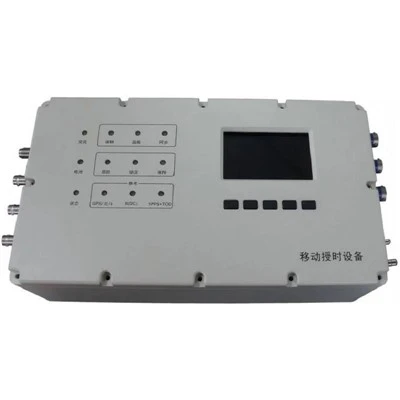
As a Signal Distribution Amplifier supplier, we offer high – quality products and excellent customer support. If you’re having trouble with signal loss or any other issues with your amplifier, we’re here to help. Whether you need advice on troubleshooting or you’re looking to purchase a new amplifier, we can assist you. Don’t hesitate to reach out to us to discuss your needs and find the best solution for you.
Signal Distribution Amplifier References
- "Signal Amplifier Handbook" – A comprehensive guide on signal amplifiers and troubleshooting techniques.
- Manufacturer’s Manuals for Signal Distribution Amplifiers – These manuals provide detailed information on the specific amplifiers, including installation, operation, and troubleshooting.
China Go-Sat Microwave Co., Ltd.
China Go-Sat Microwave Co., Ltd. is one of the most professional signal distribution amplifier manufacturers and suppliers in China. With abundant experience, we warmly welcome you to buy advanced signal distribution amplifier made in China here and get quotation from our factory. All customized products are with high quality and competitive price.
Address: No. 3908 ShiBo Avenue, Baqiao District, Xi’an, China
E-mail: sales@go-satcom.com
WebSite: https://www.go-satcom.com/
