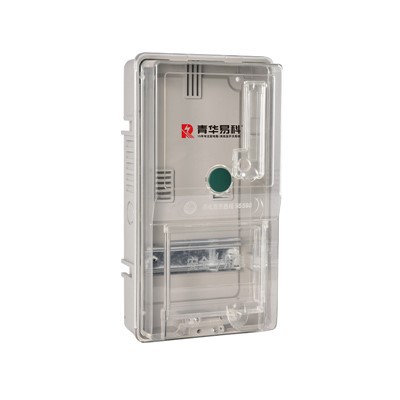
Hey there, folks! I’m an electrical enclosure supplier, and today I wanna chat about how to wire a junction box electrical enclosure. It’s a super important task, whether you’re a pro electrician or just a DIY enthusiast looking to do some home electrical work. So, let’s dive right in! Electrical Enclosure
Why Wiring a Junction Box Correctly Matters
First off, let’s talk about why it’s crucial to wire a junction box properly. A junction box is like the hub of your electrical system. It’s where wires come together, connect, and branch off to different parts of your building. If the wiring in the box isn’t done right, it can lead to all sorts of problems. We’re talking about short circuits, electrical fires, and even electrocution. Yikes! That’s some scary stuff, right? So, getting it right the first time is a must.
Tools and Materials You’ll Need
Before you start wiring, you gotta gather up all the tools and materials you’ll need. Here’s a quick list:
- Screwdriver: You’ll need both flathead and Phillips head screwdrivers to open the junction box and secure the wires.
- Wire strippers: These are essential for removing the insulation from the wires so you can make proper connections.
- Wire nuts: These little guys are used to connect the wires together. Make sure you get the right size for your wires.
- Electrical tape: It adds an extra layer of insulation and helps keep the connections secure.
- Junction box: Of course, you need the box itself. Make sure it’s the right size and type for your project.
- Wires: Get the right gauge and color of wires for your electrical needs.
Step-by-Step Guide to Wiring a Junction Box
Now that you’ve got everything you need, let’s get down to business. Here’s a step-by-step guide on how to wire a junction box:
Step 1: Turn Off the Power
This is the most important step, so don’t skip it! Before you even touch the junction box, turn off the power to the circuit at the breaker box. You can use a voltage tester to double-check that the power is off. This will keep you safe from getting shocked.
Step 2: Open the Junction Box
Use your screwdriver to remove the cover of the junction box. Carefully set the cover aside so you don’t lose it.
Step 3: Run the Wires
If you haven’t already, run the wires into the junction box through the appropriate knockouts. Make sure you leave enough slack in the wires so you can work with them easily.
Step 4: Strip the Wires
Use your wire strippers to remove about 3/4 inch of insulation from the end of each wire. Be careful not to nick the wire itself, as this can cause problems later on.
Step 5: Connect the Wires
Now it’s time to connect the wires. Usually, you’ll have a hot wire (black or red), a neutral wire (white), and a ground wire (green or bare copper). Connect the hot wires together using a wire nut. Do the same for the neutral wires and the ground wires. Make sure the connections are tight and there are no loose strands of wire.
Step 6: Secure the Wires
Once the wires are connected, use electrical tape to wrap each wire nut. This will add an extra layer of insulation and help keep the connections secure. You can also use cable clamps to secure the wires inside the junction box.
Step 7: Close the Junction Box
Put the cover back on the junction box and secure it with the screws. Make sure the cover is snug and there are no gaps.
Step 8: Turn On the Power
Now that everything is wired up and the junction box is closed, you can turn the power back on at the breaker box. Use a voltage tester to make sure the circuit is working properly.
Troubleshooting Tips
Even if you follow all the steps correctly, you might run into some problems. Here are some common issues and how to fix them:
- Loose connections: If you notice that the lights are flickering or the circuit breaker keeps tripping, you might have a loose connection. Turn off the power, open the junction box, and check the wire nuts. Tighten them if necessary.
- Short circuits: A short circuit can cause the circuit breaker to trip or even start a fire. If you suspect a short circuit, turn off the power immediately and check the wires for any signs of damage or contact with each other.
- Overheating: If the junction box feels hot to the touch, it could be a sign of overloading. Make sure you’re not connecting too many wires or using a junction box that’s too small for your needs.
Choosing the Right Electrical Enclosure
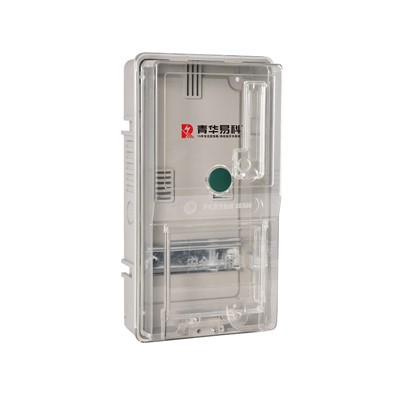
As an electrical enclosure supplier, I know how important it is to choose the right enclosure for your project. Here are some things to consider:
- Size: Make sure the enclosure is big enough to hold all the wires and components you need. You don’t want it to be too cramped, as this can lead to overheating and other problems.
- Material: Electrical enclosures are typically made of metal or plastic. Metal enclosures are more durable and offer better protection against impact and moisture, but they can be more expensive. Plastic enclosures are lighter and cheaper, but they may not be as durable.
- NEMA rating: The National Electrical Manufacturers Association (NEMA) has a rating system for electrical enclosures. Make sure you choose an enclosure with the right NEMA rating for your environment. For example, if you’re using the enclosure outdoors, you’ll need one with a high NEMA rating to protect against rain and dust.
Conclusion
XL-21 Cabinet Well, that’s it, folks! I hope this blog post has given you a good understanding of how to wire a junction box electrical enclosure. Remember, safety is always the top priority, so make sure you follow all the steps carefully and use the right tools and materials. If you have any questions or need help choosing the right electrical enclosure for your project, don’t hesitate to reach out. We’re here to help! Whether you’re working on a small home project or a large commercial installation, we’ve got the enclosures you need. Contact us today to discuss your requirements and get started on your next electrical project.
References
- Electrical Wiring Handbook, 19th Edition
- National Electrical Code (NEC)
Shandong Qinghua Yike Electric Co., Ltd.
As one of the most experienced electrical enclosure manufacturers in China, we also support customized service. We warmly welcome you to buy durable electrical enclosure for sale here from our factory. If you have any enquiry about cooperation, please feel free to email us.
Address: No. 378 Taozhuang Village, Zaoyuan Town, Lanshan District, Linyi City, Shandong Province
E-mail: admin@sd-qhyk.com
WebSite: https://www.qhecobox.com/
