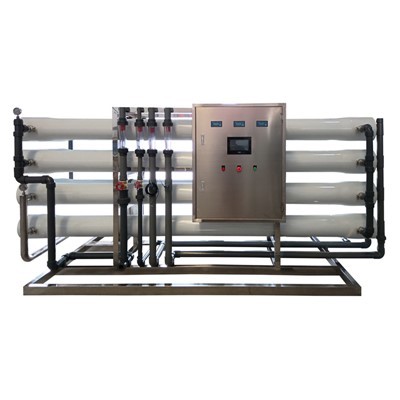
The pH level of water is a critical factor that significantly impacts the performance and longevity of reverse osmosis (RO) membranes in industrial RO equipment. As a professional supplier of industrial RO equipment, I’ve witnessed firsthand how the water’s pH can make or break the efficiency of these systems. This blog post aims to delve into the profound effects of water pH on RO membranes, equipping you with the knowledge needed to optimize your industrial water treatment processes. Industrial RO Equipment
The Basics of RO Membranes and pH Levels
Reverse osmosis is a water purification technology that uses a semi-permeable membrane to remove ions, molecules, and larger particles from water. RO membranes are designed to allow water molecules to pass through while blocking contaminants. However, the performance of these membranes is highly dependent on the pH of the feed water.
pH is a measure of the acidity or alkalinity of a solution, ranging from 0 to 14. A pH of 7 is considered neutral, values below 7 indicate acidity, and values above 7 suggest alkalinity. In industrial RO systems, the optimal pH range for most membranes typically falls between 6 and 8. However, this can vary depending on the membrane material and the specific application.
Effects of Acidic pH on RO Membranes
When the feed water has an acidic pH (below 6), several detrimental effects can occur to the RO membrane:
Membrane Degradation
Many RO membranes are made of thin-film composite (TFC) materials, which can be sensitive to acidic conditions. Prolonged exposure to low pH water can cause the membrane material to break down over time. The acidic environment can hydrolyze the amide bonds in TFC membranes, leading to a loss of membrane integrity. This degradation results in an increase in salt passage and a decrease in water permeability, reducing the overall efficiency of the RO system.
Inorganic Scaling
Acidic water can also increase the solubility of certain minerals, such as calcium carbonate and magnesium hydroxide. However, when the pH changes downstream in the RO system or during the concentration process, these minerals can precipitate and form scale on the membrane surface. Scale deposits can block the pores of the membrane, reducing its water production capacity and increasing the operating pressure required to maintain a constant flow rate. This not only increases energy consumption but can also lead to irreversible membrane damage if not addressed promptly.
Microbial Growth
Acidic conditions can also promote the growth of certain acidophilic microorganisms. These microbes can form biofilms on the membrane surface, which act as a barrier to water flow and can cause fouling. Biofouling not only reduces the performance of the RO membrane but can also introduce additional contaminants into the treated water, posing a risk to the quality of the final product.
Effects of Alkaline pH on RO Membranes
Likewise, when the feed water has an alkaline pH (above 8), it can also have negative impacts on RO membranes:
Membrane Fouling
High pH water can cause the precipitation of metal hydroxides, such as iron and aluminum hydroxides. These precipitates can accumulate on the membrane surface, leading to fouling. Fouling reduces the membrane’s permeability and increases the pressure drop across the membrane, resulting in decreased water production and increased energy consumption.
Membrane Degradation (over Time)
Some RO membranes may also experience degradation in highly alkaline conditions. The high pH can cause the membrane material to swell or become brittle, altering its structural properties. This can lead to a decrease in membrane performance and a shorter membrane lifespan.
Scaling of Inorganic Salts
Alkaline water favors the precipitation of salts like calcium phosphate and silica. Similar to the scaling issues caused by acidic water, these inorganic salts can form hard deposits on the membrane surface, impeding water flow and reducing the efficiency of the RO system.
Importance of pH Adjustment
Given the potential negative effects of extreme pH levels on RO membranes, it is crucial to adjust the pH of the feed water to an optimal range. pH adjustment can be achieved through various methods, including the addition of acids or bases. However, it is essential to carefully monitor and control the pH adjustment process to avoid over – correction, which can also cause problems.
In some cases, a buffer solution may be used to maintain a stable pH within the desired range. Additionally, integrating pH sensors and automated dosing systems into the RO equipment can help ensure precise and consistent pH control.
Optimizing RO Membrane Performance through pH Control
To optimize the performance and lifespan of RO membranes, industrial facilities need to implement a comprehensive pH control strategy. This strategy should include the following steps:
Feed Water Analysis
Conduct a thorough analysis of the feed water to determine its pH, as well as the concentrations of other contaminants. This information will help in selecting the appropriate pH adjustment method and the optimal pH range for the RO system.
pH Monitoring
Install reliable pH sensors in the feed water line and at various points within the RO system to continuously monitor the pH levels. Regularly calibrate these sensors to ensure accurate readings.
pH Adjustment
Based on the feed water analysis and monitoring results, adjust the pH of the feed water using suitable chemicals. For example, sulfuric acid or hydrochloric acid can be used to lower the pH, while sodium hydroxide can be used to raise it.
System Maintenance
Regularly clean the RO membranes to prevent the accumulation of scale and fouling. Use appropriate cleaning agents that are compatible with the membrane material and the pH conditions of the system.
The Business Advantage of Understanding pH Effects
As an industrial RO equipment supplier, our in – depth understanding of how water pH affects RO membranes gives us a unique edge in the market. We can provide our customers with tailored solutions that not only meet their water treatment needs but also maximize the efficiency and lifespan of their RO systems.
By working closely with our clients, we identify the specific pH challenges associated with their feed water and design customized RO systems with integrated pH control mechanisms. Our expert team offers comprehensive after – sales support, including training on pH monitoring and adjustment, as well as regular maintenance services to ensure that the RO systems continue to operate at peak performance.
Reach Out for Expert RO Solutions
If you are struggling with water pH issues in your industrial RO system or are looking to upgrade your existing equipment, we are here to help. Our team of experienced professionals is ready to provide you with the best solutions based on your specific requirements. By partnering with us, you can ensure that your RO system operates efficiently, reduces operational costs, and produces high – quality treated water.
SWRO & BWRO Equipment Don’t let water pH problems compromise your industrial processes. Contact us today to discuss how our industrial RO equipment can meet your water treatment needs and enhance your business operations.
References
- Jude, O. O., & Mujtaba, I. M. (2016). Industrial and laboratory reverse osmosis membrane systems: A short review. Chemical Engineering Research and Design, 115, 273 – 287.
- Nghiem, L. D., Schäfer, A. I., & Elimelech, M. (2006). Influence of solution chemistry on the surface charge of polymeric reverse osmosis and nanofiltration membranes. Journal of Membrane Science, 284(1 – 2), 1 – 16.
- Amy, G., & Drewes, J. (Eds.). (2013). Chemical Water Treatment Processes for Wastewater Reuse. John Wiley & Sons.
Shandong Yanuo Environmental Protection Equipment Co., Ltd.
We’re well-known as one of the leading industrial ro equipment manufacturers and suppliers in China, featured by quality products and good price. Please rest assured to buy bulk industrial ro equipment made in China here from our factory. Customized orders are welcome.
Address: North Side of the Road, 1,000 Meters West of the Intersection of Fenghuangshan West Road and Provincial Highway S102, Wangfu Subdistrict, Qingzhou City, Weifang City, Shandong Province.
E-mail: ynhb.499973983@gmail.com
WebSite: https://www.zkyaruo.com/
