Hey folks, if you’ve ever stood in a plant control room at 2 a.m., watching a spiking pressure or temp reading jump off the chart and thought “why didn’t I catch that earlier?”—you’re not alone. As a pressure & temperature transmitter supplier, I get asked this question way more than any other: Do we even make transmitters with a high enough sampling rate to catch those tiny, fast blips that mess up processes? Pressure & Temperature Transmitter
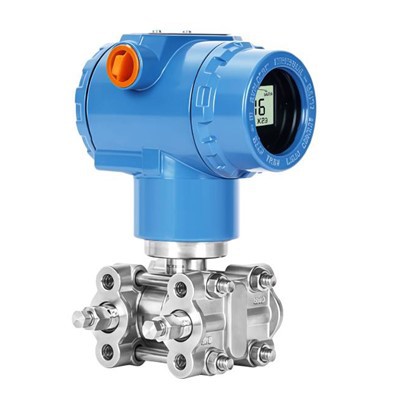
Let’s cut to the chase—yes, they exist. But here’s the catch: not all “high sampling rate” transmitters are created equal, and a lot of brands throw around that term to sound fancy without backing it up with real, usable performance. Let’s talk about what that actually means, how our gear stacks up, and why sampling rate matters more than most process folks realize.
First, let’s define “high sampling rate” because that’s where most confusion starts. A lot of people hear numbers like 100 samples per second (SPS) and think that’s fast—until they’re dealing with things like hydraulic valve surges, fast-reacting batch reactors, or pressure spikes in oil and gas pipelines that only last a millisecond. For context: the human eye catches changes at about 20 SPS, so 100 SPS feels glacial next to what industrial processes need. For our applications, we categorize sampling rates into three tiers, because if you order a 10 SPS transmitter for a high-speed compressor, you’re going to have a bad time. Low is 1–50 SPS for general process monitoring, mid is 50–500 SPS for most specialty tasks, and high is 500–10,000 SPS (yeah, ten K) for the stuff that moves really, really fast.
So why does this matter? Let’s use a real example from a client I worked with last month—they run a plastic extrusion line. Their old transmitters sampled at 20 SPS, and they kept getting tiny, inconsistent defects in the extruded plastic strips. We swapped in our high-rate units at 2,000 SPS, and boom—we found out the screw was surging pressure at 120 times a second, a vibration they had no clue about because their old gear was too slow to track it. Fixed that, their defect rate dropped 18% in two weeks. That’s the kind of difference high sampling rate makes. It’s not just about catching failures—it’s about optimizing processes you didn’t even know were off.
Now, let’s talk about what makes a good high-sampling-rate transmitter. A lot of brands will advertise a 10,000 SPS number, but if that rate only applies when you’re doing a test in a lab with no actual load, it’s useless. Real-world performance requires two things: fast sensors and good signal processing that doesn’t introduce lag. Lag is the silent killer here. If your transmitter samples at 10,000 SPS but takes 50 milliseconds to process that reading, you’re only getting 20 readings a second, max. All that speed is wasted. Our transmitters use custom MEMS sensors (you know, the same tiny tech in your phone, but built for industrial grit) paired with a real-time processor that handles every sample in 0.1 milliseconds or less. No lag, no waiting, just raw, accurate data as it happens.
Another common myth: high sampling rate equals lower accuracy. Nope—if you build both the sensor and the processor right, they work together. Our units maintain ±0.05% accuracy across all those high samples, even in harsh conditions. We tested one last year on a refinery flare line that swings from -40°F to 200°F in 10 seconds, and it held steady at 5,000 SPS, no drift, no bad readings. That’s the stuff you need when you’re dealing with explosive, fast-changing processes.
Who actually needs these high-rate transmitters? Let’s break down the use cases, because not every facility needs a 10k SPS unit. If you’re a food and beverage plant doing slow batch mixing, a 50 SPS unit is more than enough. But if you’re working in hydraulic systems, high-speed compressors, aerospace testing, or pharmaceutical freeze-drying (where temperature drops happen way too fast for old gear), that’s when you need to step up to 500 SPS or higher. Even water treatment plants use them now for detecting pipe bursts—surge pressure in water lines can travel at 5000 feet per second, so if your sampling is too slow, you miss the burst until it’s already caused a flood.
Wait, but what about connectivity? A lot of high-rate transmitters flood you with data, and your control system can’t handle it. We’ve solved that too. Our units let you pick your sampling rate—you don’t have to run 10k SPS 24/7 if you don’t need it. Set it to high rate only when you’re running a critical batch, or use a smart setting that cranks up the rate if the system detects a change. We also let you output only the data you need, so you’re not clogging your SCADA system with thousands of redundant readings. That’s a big one—no one wants a data log full of garbage they have to sift through.
Let’s be real, I’ve seen brands overpromise on this front. A big name we won’t name had a sales rep tell a client their transmitter could do 20k SPS, but when we tested it, it dropped samples every other second at anything over 1k SPS. When we asked why, they said “the tech can’t handle more in the field.” So always ask for third-party test data, not just a spec sheet. For our high-rate transmitters, we publish real in-field test results, including data from 6-month deployments in harsh conditions, so you can see exactly what you’re getting.
Another thing to consider: calibration. If your high-sampling-rate transmitter isn’t calibrated regularly, all that speed is worthless. We include a 12-month calibration cycle standard for all our units, and we make it easy to recalibrate without having to pull the transmitter out of the line. A lot of industrial headaches come from downtime, so we built our high-rate models with quick disconnects for calibration, so you’re not shutting down your whole process for 8 hours just to check a reading.
I mentioned earlier that I’m a pressure & temperature transmitter supplier, not just a guy selling boxes. That means I’ve got a team of application engineers who work with clients to figure out exactly what sampling rate they need. I don’t upsell a 10k SPS unit to a guy who needs 100 SPS for a boiler—waste of money. But if you’re dealing with fast surges, high-frequency vibration, or processes that change in milliseconds, I’m gonna tell you exactly what you need, no fluff.
Take that extrusion client I talked about earlier. They came to us complaining about defects, tried three different brands, none of which could get a clear reading on their pressure surges. We did a free test with our high-rate unit for 72 hours, let them see the data themselves, and they were shocked. They ended up replacing all their old transmitters across three lines. That’s the kind of win that matters—no smoke and mirrors, just actual data that solves real problems.
Is there a catch? Well, high-sampling-rate transmitters do cost a bit more than standard units, but let’s do the math: if a plant is losing $10k a day in defects or unplanned downtime, paying an extra $500 per transmitter to fix that is a no-brainer. We also offer flexible pricing, bulk discounts, and rental options if you just need to test one line for a month to see if it works for you. No lock-in, no hidden fees.
Wait, what about temperature transmitters specifically? I know a lot of people focus on pressure, but temp sampling rate is just as important. Fast temperature changes happen in reactor systems, cryogenic processing, and thermal testing. Our high-rate temp transmitters sample at up to 8,000 SPS, with ultra-fast response time (less than 10 milliseconds) so you catch those tiny temp spikes that can ruin a batch of medicine or a batch of chemicals.
Let’s wrap this up. The short answer is: yes, there are pressure & temperature transmitters with high sampling rates, but you have to look past the flashy spec numbers to make sure they work in your actual process. A good high-rate transmitter is fast, accurate, has minimal lag, plays nice with your control system, and is built for industrial use—not just lab tests.

If you’re tired of missing critical process data because your old transmitters are too slow, or you’re dealing with defects, unplanned downtime, or just can’t seem to get consistent readings, we can help. We’re happy to walk you through your specific application, run a free test with our transmitters, and figure out exactly what you need without any sales jargon. Just reach out to our team to start a conversation about your pressure and temperature monitoring needs.
Variable-area Flowmeter References
- Process Industry Practices. (2021). Sampling Rate Requirements for Dynamic Process Monitoring. PIP Document PIP IDC001.5.
- MEMS Industry Group. (2020). Industrial MEMS Sensor Performance for High-Speed Applications. MIG Technical Report TR-007.
- International Society of Automation. (2022). ISA-77.42.01: Process Sampling and Data Acquisition for Dynamic Control. ISA Standards.
- NIST. (2021). Calibration Considerations for High-Speed Pressure and Temperature Transmitters. NIST Technical Note 2012.
Dalian Yheng Technology Co., Ltd.
Dalian Yheng Technology Co., Ltd. is one of the leading pressure & temperature transmitter manufacturers and suppliers in China, also supports customized service. We warmly welcome you to buy high quality pressure & temperature transmitter in stock here from our factory. Contact us for more details.
Address: F1605, NO.10 Huoju road, High-tech Industrial Zone, Dalian, China
E-mail: admin@dlyheng.com
WebSite: https://www.yhengphmeter.com/
