Hey everyone, thanks for hanging out with my corner of the web today—for those who don’t know me, I run a flattened expanded metal supplier, and I get asked this question at least twice a week: Can this stuff actually hold up in mining? I’ll be honest, I used to side-eye that ask too—mining sounds like a whole different beast, right? Giant rocks, corrosive mud, constant vibration that would shake almost any material apart. But after years of field testing, talking to miners who’ve put our metal to work, and tweaking our products specifically for those tough jobs, I’m here to say yeah, it absolutely can. Let me break down why that’s not just a sales pitch, but actual, tested real-world stuff. Flattened Expanded Metal
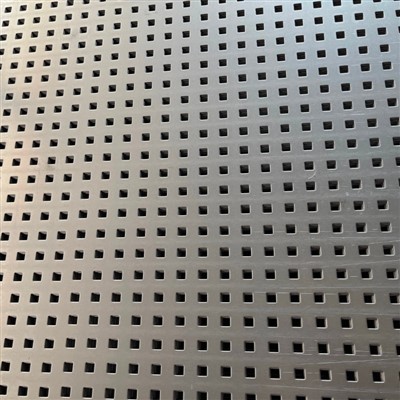
First, let’s cut through the confusing terms so we’re all on the same page. Flattened expanded metal isn’t that crinkly, loose stuff you might see on old fence tops or decorative grates. We start with solid metal sheets—usually carbon steel, stainless steel, or even aluminum for lighter jobs—then run them through a machine that cuts a repeating pattern of slits across the sheet, then pulls it apart to create diamond-shaped holes. That’s the “expanded” part. Then we run it through heavy rollers to flatten it out so it’s smooth, no bumps, no give. It’s stronger than welded wire, way more flexible than solid plate, and way cheaper than either when you’re working with large areas. That balance is exactly what mining crews are screaming for, let me tell you.
Now, let’s talk about what makes mining such a tough environment, because if my product can handle that, it can handle almost anything. First up is impact. Think about it—miners are moving ore from the face to the mill, right? That’s using shovels, haul trucks, conveyor belts. Ore can be as big as a small car, and it’s slamming into surfaces all day, every day. Then there’s abrasion—mud, crushed rock, sand that’s so fine it’s like sandpaper, grinding against every surface. Corrosion is another big one; mining sites are often in remote, humid areas, or exposed to acidic runoff from ore processing that would eat through regular steel if you didn’t treat it right. And don’t even get me started on vibration—haul trucks bouncing down unpaved roads, conveyors running 24/7, crushers shaking the whole site. That kind of constant, high-level vibration makes a lot of materials fail early, especially welded connections or things that are brittle.
Here’s where our flattened expanded metal shines, though. First, impact resistance. Unlike welded wire mesh, which has weak points at every weld where it can snap under a big hit, expanded metal is a single, continuous sheet—all the strands are connected at their base, no welds to break. The diamond pattern actually distributes impact force way better than a flat plate too. When a big rock hits it, the diamond shape flexes a little (not enough to bend permanently, just enough to absorb the hit) instead of taking the full force in one spot like a solid sheet would. I’ve got a customer out in Nevada running flattened expanded metal as a lining for their hopper chutes—those are the funnels that feed ore into the mill. They told me last quarter, when they tested wire mesh liners, those would tear through in 6 months. Our stuff? They put it in 18 months ago, and it’s still holding strong. The only wear they’ve had is on the edges from scraping against the loaders, and they just patched those easily with extra pieces. That’s the kind of ROI miners care about, not replacing liners every 6 months.
Next up, abrasion. The flattened version of expanded metal is smoother than unflattened, right? No sharp edges sticking out to catch rock, which cuts down on how much the sand and crushed ore can grind at it. Also, we can coat our carbon steel with either zinc for basic corrosion protection or polyurea for heavy abrasion—we’ve even done some tests with ceramic coatings for the worst sites. A copper mine in Arizona uses our polyurea-coated flattened expanded metal for their conveyor belt guards. Those guards are meant to keep debris from falling off the belt, but they’re also getting blasted with fine copper ore all day. Before they used our stuff, their guards would wear through in a year. Now? They’re at 2 years, and they’re only replacing 10% of them this year, if that. That’s a 50% drop in replacement costs, which is huge when you’re talking about thousands of square feet of guards across a site.
Corrosion is another big one, especially for mines in wet or acidic areas. A lot of miners default to solid stainless steel, but that’s expensive—like, way more expensive than flattened expanded metal. Our stainless steel flattened expanded metal is 30% lighter than solid plate of the same thickness, so it’s cheaper to ship, easier to install, and still just as corrosion-resistant. I had a gold miner in Canada, where it’s cold and wet half the year, tell me he was using solid steel grates for walkways near the processing ponds. The acidic runoff would turn those grates to rust in 2 years. He switched to our 304 stainless steel flattened expanded metal 3 years ago, and when he checked last month, there was zero rust. He even said it’s easier to keep clean too—no crannies for mud or water to get stuck in, because it’s smooth. That’s a huge win for safety too, right? Rusty grates are slippery, and slip-and-fall accidents on mining sites are a real risk.
Wait, but what about that vibration I mentioned earlier? I know a lot of you are thinking, “Expanded metal—won’t that vibrate so much it makes noise or even breaks?” No, not when it’s flattened and installed right. The flattened version has a consistent thickness, so it doesn’t flex unevenly like unflattened expanded metal, which can cause annoying rattles. We also make sure the diamond strands are thick enough for mining—we don’t skimp on gauge to save a buck, because that would defeat the purpose. A rock quarry in Texas uses our flattened expanded metal for their crusher screens, and those things are shaking nonstop all day long. Their old screens were welded wire, and the vibration would make the welds crack after 3 months. Our screens? They’ve been in for 11 months, no cracks, no issues. The crew even said the noise is lower too, because the flattened metal doesn’t rattle like the wire mesh did—another small win for on-site safety, since constant loud noise leads to hearing damage over time.
Of course, no material is perfect, and I’m not gonna sit here and act like flattened expanded metal works for every single mining job. Let’s be real: if you need something to hold super heavy, raw ore directly without any lining or protection, you might need thicker plate or reinforced steel. But for 70% of the common parts miners need every day—hopper liners, conveyor guards, walkways, crusher screens, vent grates for underground mines, even equipment shelves—it’s perfect. Way more versatile than people give it credit for.
Another thing I love about our flattened expanded metal for mining is that it’s easy to modify on site. Miners don’t have time to wait for custom parts to be fabricated, right? If you need to cut a section to fit a weird spot in a chute, you can do that with regular metal shears in 5 minutes, no fancy welding or torches needed. That saves downtime, which is money—every minute a mine is shut down costs them thousands of dollars. I’ve had customers tell me that when they had an emergency liner tear last winter, they grabbed a sheet of our metal from the on-site storage, cut it with a set of shears, and had it installed in an hour instead of waiting 3 days for a custom fabricated part. That’s the kind of practicality you can’t put a price on.
Wait, let’s talk about underground mining too, because that’s a whole other set of conditions. Underground mines have limited space, so weight is a big deal—you don’t want to haul super heavy parts down a narrow shaft. They also have good ventilation needs, so you need metal that lets air flow through, right? Flattened expanded metal lets air pass through the gaps between the diamonds, way better than solid plate. And since it’s lighter, it’s easier to transport and install in tight spaces. A zinc mine in Utah uses our flattened expanded metal for underground support grates, and they said they cut their material transport time by 20% because the metal is half the weight of the solid plate they used before. Plus, the air flow helps reduce dust levels, which is a big health requirement for underground miners—less dust means less chance of respiratory issues, which is a win for everyone.
I know some of you might be skeptical, and honestly, I get it. A lot of suppliers will throw any product at mining and call it heavy-duty, but the difference here is that we tested this with actual miners, not just lab tests. We didn’t just tweak the metal; we worked with mine foremen and equipment managers to figure out exactly what they needed. A foreman once told me that wire mesh would clog with mud, so we adjusted the diamond size to be wider so mud can fall through instead of getting stuck. Another guy said solid plate was too heavy for handrails, so we made a thinner flattened expanded metal with a reinforcing edge that’s light but still strong enough to hold a person’s weight. That’s the kind of collaboration that makes the product work, not just selling a metal sheet.
Now, let’s be honest about the downsides, because I don’t want to sound like a shill. Flattened expanded metal isn’t the cheapest option if you only need a small patch—for a 2×2 foot section, you might go with a cheaper wire mesh. But when you’re talking about 100+ square feet, like liners or guard rails, the upfront cost pays for itself in 1-2 years because you don’t have to replace it every 6 months. Also, if you don’t treat it with the right coating, regular carbon steel will rust in humid areas, so you have to invest in the proper finish. That’s not a con for the product, that’s a con for not doing your research on the right coating, which is something we help with—we’ll tell you exactly what coating you need based on your mine’s specific conditions, no guesswork.
So, to circle back to the original question: Can flattened expanded metal be used in mining? Absolutely. It’s tough enough to handle impact, abrasion, corrosion, and vibration, it’s practical for on-site modifications, it’s lighter and cheaper than comparable materials, and it’s been proven in dozens of mines across the US and Canada. We’ve even had mines switch half their components to our metal and cut their maintenance budget by 25% year over year.
If you’re a mining equipment manager, foreman, or maintenance guy who’s tired of replacing parts every few months, or you’re just looking for a more durable option for hoppers, guards, walkways, or screens, we’d love to chat. No sales pitch, no pushy calls—just telling you what works, based on what we’ve seen in the field. We can send you sample sheets, help you figure out the right gauge and coating for your specific site, and even connect you with other miners in your area who are using our stuff. Just reach out, and we can work something out that fits your needs, not ours.

I know mining is all about reliability—you can’t afford downtime, you can’t afford parts that fail early, and you can’t afford to waste money on overpriced materials that don’t do the job. Flattened expanded metal isn’t a gimmick, it’s a proven solution for a lot of the common pain points in mining, and I’m happy to be part of that. Thanks for reading, and don’t hesitate to hit us up if you have any questions or want to test this out for yourself.
Slotted Perforated Metal References:
- Mining Safety and Health Administration. (2022). Common Equipment Lining and Component Failure Causes.
- American Iron and Steel Institute. (2021). Performance of Expanded Metal in Heavy Abrasive Environments.
- Society for Mining, Metallurgy & Exploration. (2023). Remote Mining Equipment Maintenance Best Practices.
- Polyurea Development Association. (2020). Corrosion Protection for Steel in Acidic Runoff Environments.
- Mine Ventilation Society of North America. (2022). Material Permeability for Underground Mine Airflow Optimization.
Anping Yilida Metal Wire Mesh Co., Ltd.
Anping Yilida Metal Wire Mesh Co., Ltd. is one of the most reliable flattened expanded metal manufacturers and suppliers in China, also supports customized service. Please feel free to buy bulk high quality flattened expanded metal made in China here from our factory.
Address: Wire Mesh Development Zone, Anping, Hebei Province, China
E-mail: sales@wiremesh-yg.cn
WebSite: https://www.yilidametal.com/
